A Complete Guide to Cooling Towers: What You Need to Know


Introduction

A cooling tower is a vital heat rejection device used in industries, power plants, and HVAC systems to regulate temperature by dissipating excess heat into the atmosphere. It operates on the principle of evaporative cooling, where warm water from industrial processes flows over heat exchange surfaces while air circulates through the system, allowing heat to escape through evaporation. This cooled water is then recirculated for continuous operation. This guide explores the working principles, types, applications, benefits, maintenance, and future advancements of cooling towers.
What is a cooling tower?

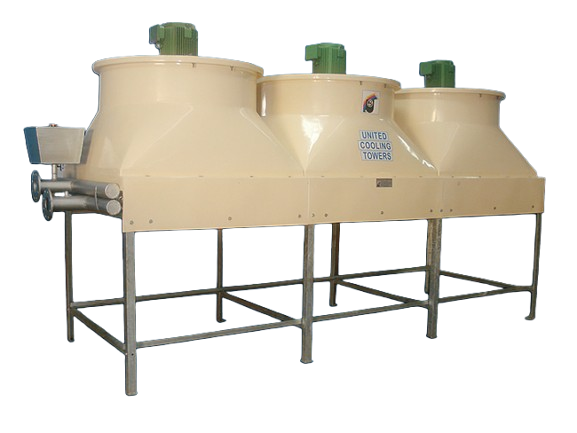
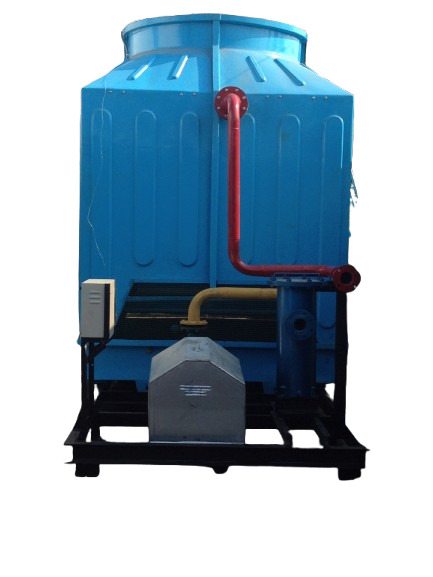
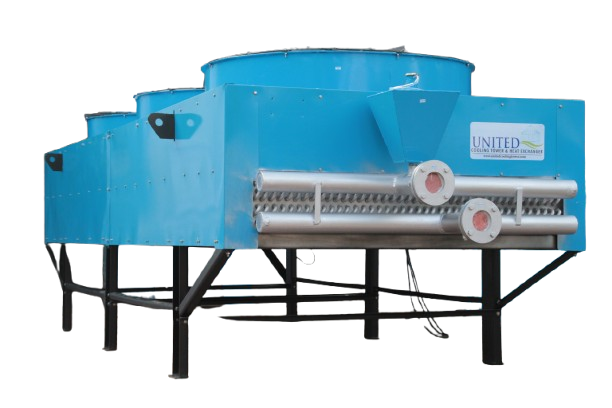
A cooling tower is a specialized heat rejection device used in industrial processes, power plants, and large HVAC systems to remove excess heat by transferring it to the atmosphere. It works on the principle of evaporative cooling, where warm water from industrial equipment or air conditioning systems is circulated through the tower. As the water flows over heat exchange surfaces, air is drawn or forced through the system, allowing some of the water to evaporate, which helps dissipate heat. This cooled water is then recirculated back to the system for reuse. Cooling towers are essential for maintaining optimal operating temperatures in industries such as power generation, chemical processing, and manufacturing.


How do cooling towers work?

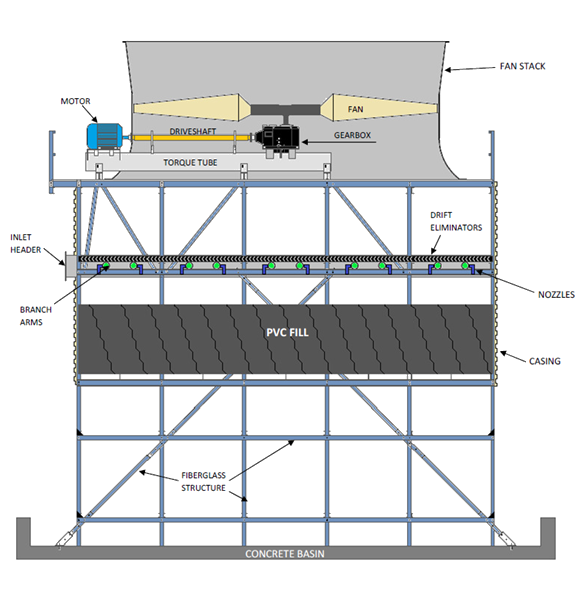
A cooling tower works by removing excess heat from industrial processes, HVAC systems, or power plants through evaporative cooling. Warm water from the system enters the cooling tower and is distributed over heat exchange surfaces, such as fill media, to increase the contact area. Simultaneously, air is either drawn in or forced through the tower by fans, causing a portion of the water to evaporate.

This evaporation absorbs heat from the remaining water, effectively lowering its temperature. The cooled water is then collected in a basin and recirculated back into the system to absorb more heat. Depending on the design, cooling towers can use natural airflow (natural draft) or mechanical fans (mechanical draft) to enhance cooling efficiency. Proper water treatment and maintenance are essential to prevent scaling, corrosion, and biological growth, ensuring the cooling tower operates at peak efficiency.

Types of Cooling Towers

Cooling towers work by transferring heat from hot water to the atmosphere, typically through evaporative cooling. Various types of cooling towers are designed based on structural materials, airflow mechanisms, and application-specific needs.

Below, we discuss the major types of cooling towers, including FRP cooling towers, dry cooling towers, timber cooling towers, RCC cooling towers, square-shaped cooling towers, round-shaped cooling towers, counterflow cooling towers, and fanless cooling towers.


1. FRP Cooling Towers (Fiberglass Reinforced Plastic Cooling Towers)

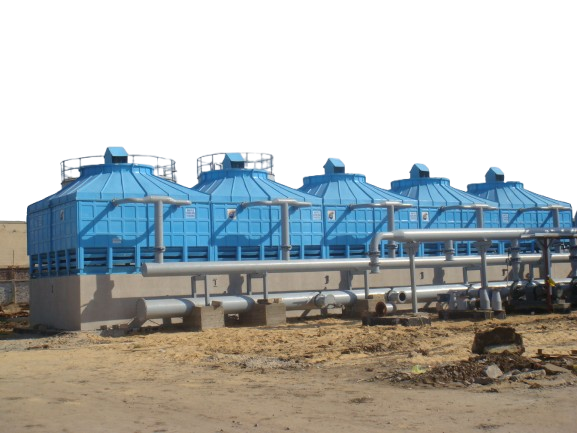
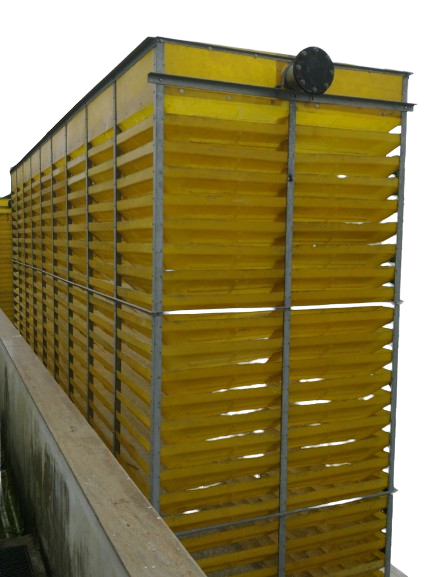
FRP cooling towers are constructed using fiberglass-reinforced plastic, a highly durable and corrosion-resistant material. These cooling towers are widely used in industries where exposure to harsh chemicals, extreme weather, and high temperatures is common.

Features & Benefits:

  • High resistance to corrosion, rust, and chemical exposure
  • Lightweight and easy to install
  • Requires minimal maintenance due to non-corrosive properties
  • Long lifespan compared to metal-based cooling towers
  • Available in both counterflow and crossflow designs

Applications:

  • Chemical and petrochemical industries
  • HVAC systems in commercial buildings
  • Power plants and manufacturing industries


2. Dry Cooling Tower

Unlike traditional cooling towers that rely on evaporation, dry cooling towers use air-cooled heat exchangers to cool hot water without any direct water loss. This makes them perfect for places where saving water is very important.

Features & Benefits:

  • No water consumption, making them suitable for water-scarce regions
  • No risk of legionella bacteria growth due to the absence of stagnant water
  • Lower maintenance costs as scaling and corrosion are minimized
  • Suitable for cold climate applications where evaporative cooling is inefficient

Applications:

  • Power generation plants
  • Industrial process cooling where water conservation is essential
  • Data centers and HVAC systems in dry regions


3. Timber Cooling Towers

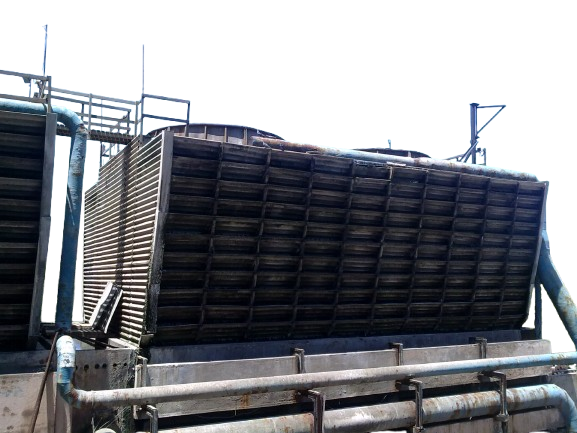
Timber cooling towers are constructed using high-grade wood, typically pressure-treated pine or redwood. These cooling towers are commonly used in industries where large cooling capacities are required, and cost-effective solutions are preferred.

Features & Benefits:

  • High mechanical strength and durability
  • Can withstand high temperature and pressure variations
  • Cost-effective compared to RCC and FRP cooling towers
  • Easy to repair and replace damaged components

Applications:

  • Oil refineries
  • Steel and cement plants
  • Petrochemical industries


4. RCC Cooling Towers (Reinforced Cement Concrete Cooling Towers)

RCC cooling towers are permanent structures made from reinforced concrete. These are designed for large-scale industrial applications where high durability and longevity are required.

Features & Benefits:

  • Extremely durable and weather-resistant
  • Can withstand heavy industrial loads and extreme temperatures
  • Minimal maintenance required due to concrete construction
  • Suitable for both crossflow and counterflow designs

Applications:

  • Thermal power plants
  • Nuclear power plants
  • Heavy industrial cooling applications


5. Square Shape Cooling Towers

Square-shaped cooling towers are compact and designed to fit into rectangular plant layouts. They are widely used in industries where space optimization is essential.

Features & Benefits:

  • Space-efficient design, ideal for industrial complexes
  • Can accommodate multiple cooling cells
  • Higher efficiency due to optimized water and airflow distribution
  • Available in induced draft and forced draft configurations

Applications:

  • Chemical processing plants
  • HVAC applications
  • Industrial cooling processes


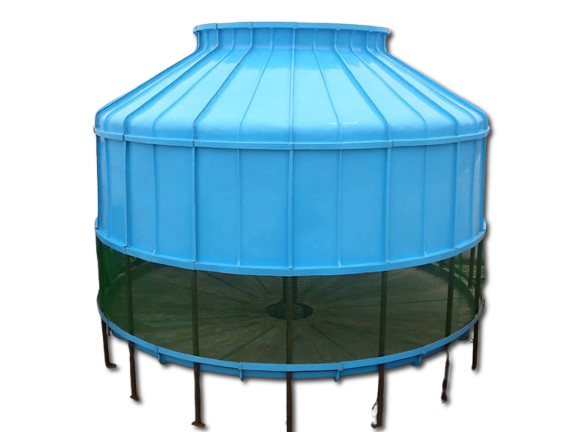
6. Round Shape Cooling Towers

Round cooling towers, also known as bottle-type cooling towers, have a cylindrical design that enhances natural air circulation and cooling efficiency.

Features & Benefits:

  • Aerodynamic shape reduces air resistance and enhances cooling efficiency.
  • Even water distribution ensures uniform cooling performance.
  • Minimal drift losses compared to square towers
  • Easy to maintain due to the simple structure

Applications:

  • Small to medium-scale industrial cooling
  • Chemical industries
  • HVAC cooling in commercial buildings


7. Counter Flow Cooling Towers

Counterflow cooling towers allow air and water to move in opposite directions for better heat exchange efficiency. In this system, hot water flows downward while cool air moves upward, leading to greater cooling efficiency.

Features & Benefits:

  • Higher thermal efficiency compared to crossflow designs
  • Reduced risk of algae formation as water exposure is minimal.
  • Requires less floor space due to its vertical airflow design
  • Lower drift loss, leading to better water conservation

Applications:

  • Power plants
  • HVAC applications
  • Petrochemical and industrial processing plants


8. Fanless Cooling Towers

Fanless cooling towers, also known as natural draft cooling towers, operate without the use of fans. They rely solely on the natural convection process to remove heat, making them highly energy-efficient.

Features & Benefits:

    • No energy consumption, leading to significant power savings
    • Because there are no moving parts, it almost never needs upkeep.
    • Long-lasting and highly reliable for large-scale cooling needs
    • Works efficiently in high-temperature environments

Applications:

    • Thermal power plants
    • Large-scale industrial facilities
    • Continuous process industries


Cooling Tower Maintenance & Troubleshooting

Regular maintenance is essential to keep cooling towers running efficiently and to prevent system failures. Below are key maintenance tasks and troubleshooting steps:

Maintenance Practices

  1. Regular Water Treatment
    • Prevents scaling, corrosion, and biological growth.
    • Ensures optimal heat transfer and extends equipment life.
  2. Cleaning the Fill Media
    • Removes dirt, debris, and biofilm that can obstruct airflow.
    • Improves cooling efficiency by maintaining proper water distribution.
  3. Inspecting Fan Blades & Motors
    • Detects wear, imbalance, or damage to ensure proper airflow.
    • Reduces energy consumption by keeping fans in optimal condition.
  4. Checking for Leaks & Blockages
    • Identifies potential water loss and maintains system pressure.
    • Ensures unobstructed water circulation for efficient cooling.
  5. Monitoring Water Levels & Flow Rate
    • Prevents pump damage and maintains consistent cooling performance.
    • Adjusts water levels to compensate for evaporation losses.

Common Troubleshooting Issues

  1. Poor Cooling Efficiency
    • Caused by dirty fill media, low airflow, or incorrect water levels.
    • Solution: Clean the fill, inspect fans, and adjust water distribution.
  2. Excessive Water Loss
    • Due to drift, leaks, or improper water treatment.
    • Solution: Check for leaks, install drift eliminators, and maintain proper water treatment.
  3. Unusual Noise or Vibration
    • Indicates potential fan imbalance, misalignment, or motor issues.
    • Solution: Inspect and balance fan blades, tighten loose components, and lubricate bearings.
  4. Foul Odors & Biological Contamination
    • Sign of bacterial growth, such as Legionella, in stagnant water.
    • Solution: Implement proper biocide treatment and increase water circulation.
  5. Inefficient Airflow
    • Caused by clogged air inlets, broken fan blades, or worn-out motors.
    • Solution: Clean air intakes, replace damaged fan blades, and check motor performance.
By following a proactive maintenance routine and addressing issues promptly, businesses can optimize cooling tower performance, extend lifespan, and reduce operational costs.


Innovations in Cooling Tower Technology

Advancements in cooling tower design and materials have led to increased efficiency and sustainability. Some of the latest innovations include:

  1. High-Efficiency Fill Media
  2. Modern fill materials improve heat transfer while reducing water and energy consumption.
  3. Smart Monitoring Systems
  4. IoT-based sensors provide real-time data on performance, allowing for predictive maintenance and optimized operation.
  5. Hybrid Cooling Towers
  6. Combining wet and dry cooling technologies to reduce water usage while maintaining high efficiency.
  7. Environmentally Friendly Materials
  8. The use of corrosion-resistant and biodegradable materials enhances durability and sustainability.

Future Trends in Cooling Towers

The demand for more sustainable and energy-efficient cooling solutions is driving new developments in the industry. Some emerging trends include:
  1. Zero-Water Loss Cooling Towers
  2. New designs aim to eliminate water evaporation losses, making cooling towers more sustainable.
  3. Advanced Heat Exchangers
  4. Innovative heat exchanger designs improve cooling capacity while reducing energy consumption.


Why People Choose Us?

At United Heat Exchangers, we take pride in being a leading cooling tower manufacturer in India and a trusted name in thermal solutions. With over 35 years of expertise—established in 1989, we bring decades of experience in cooling tower & heat exchanger manufacturing and specialize in designing and manufacturing high-performance cooling towers for various industrial applications. With a strong presence in India and a reputation for quality and efficiency, the company offers durable and energy-efficient cooling tower solutions tailored to customer requirements. Whether for power plants, chemical industries, or HVAC systems, United Heat Exchangers ensures superior cooling efficiency, longevity, and reduced operational costs.


Conclusion

Cooling towers are essential for industrial, commercial, and HVAC applications, providing efficient heat dissipation while reducing energy costs. Understanding the types, applications, benefits, and maintenance requirements can help businesses optimize their cooling processes for maximum performance and sustainability.

As technology advances, cooling towers will continue to evolve, offering more energy-efficient and environmentally friendly solutions for the future. We help industries achieve optimal cooling performance while minimizing costs.

Choose United Heat Exchangers—Where Quality Meets Innovation!