Author: Senthil Kumar, Technical Director — United Heat Exchangers Pvt. Ltd. | Product: Industrial shell-and-tube heat exchangers
United Heat Exchangers designs and manufactures shell and tube heat exchangers for industrial processes that need controlled heating, cooling, condensation or vaporisation. As a shell and tube heat exchanger manufacturer in India, we work from your process duty—not a one-size-fits-all catalogue—so the configuration, materials and mechanical design can be matched to the fluids, operating envelope, maintenance plan and applicable project requirements.
In a shell-and-tube unit, one fluid flows through a bundle of tubes while a second fluid travels through the surrounding shell. Heat passes through the tube walls, keeping the process streams physically separate. This established arrangement can be adapted to a broad range of duties, from utility cooling and steam condensation to process heating and reboiling. The best design is the one that meets the thermal duty and pressure-drop limits while remaining practical to inspect, clean and operate.
United Heat Exchangers brings more than 35 years of experience in heat-exchanger design and manufacturing, serving customers in India and international markets. Our engineering team can support configuration selection, thermal sizing, mechanical design, material review, fabrication documentation and after-sales service. Requirements and deliverables are confirmed project by project; share your datasheet and our team can review the duty and identify the information needed to prepare a technically meaningful proposal.
35+ yearsCompany experience in heat-exchanger design and manufacturing
TEMA optionsConfigurations selected to suit process and maintenance needs
HTRI supportThermal rating support for applicable project requirements
India + exportProject supply and technical coordination for domestic and overseas buyers
TEMA design basisApplicable TEMA class and construction details defined by the project
ASME capabilityCode construction and certification scope to be confirmed for each order
Thermal reviewDuty and pressure drop considered during sizing
Material traceabilityDocumentation scope aligned with purchase specification
Lifecycle supportMaintenance, repair and spare-parts assistance available
Shell and Tube Heat Exchanger Products and Configurations
Configuration affects thermal expansion, cleaning access, footprint, first cost and maintenance effort. Our role as a shell and tube heat exchanger supplier is to help translate process requirements into a buildable specification. The following are common choices; final construction depends on the design conditions, applicable code, fluid properties and customer specification.
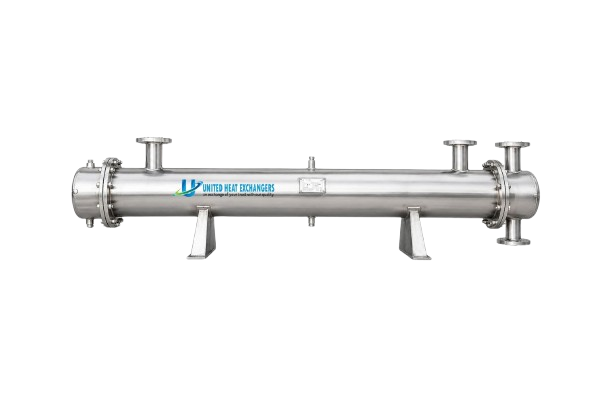
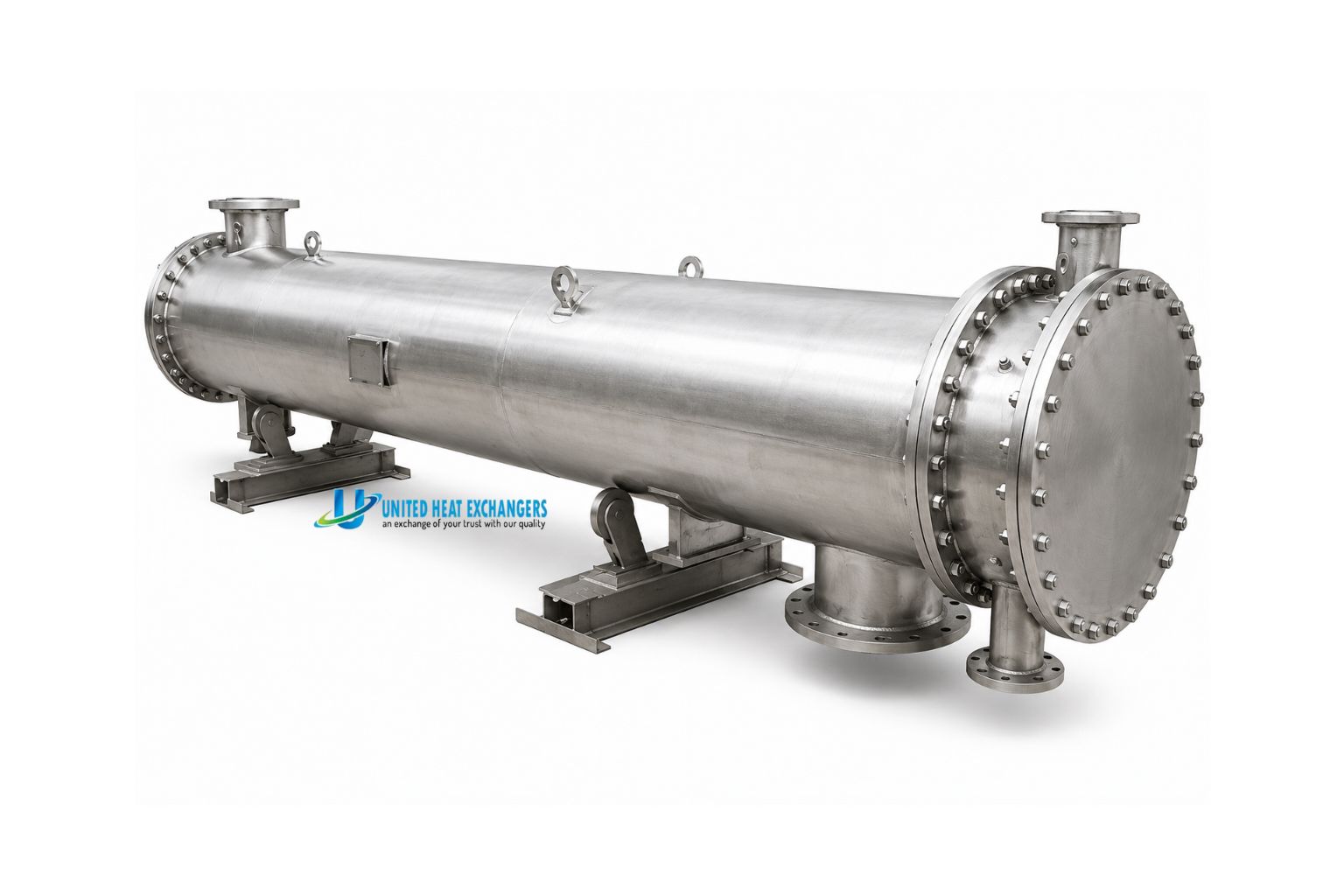
A shell-and-tube exchanger is assembled around a pressure-retaining shell and a tube bundle; details vary with service and selected configuration.
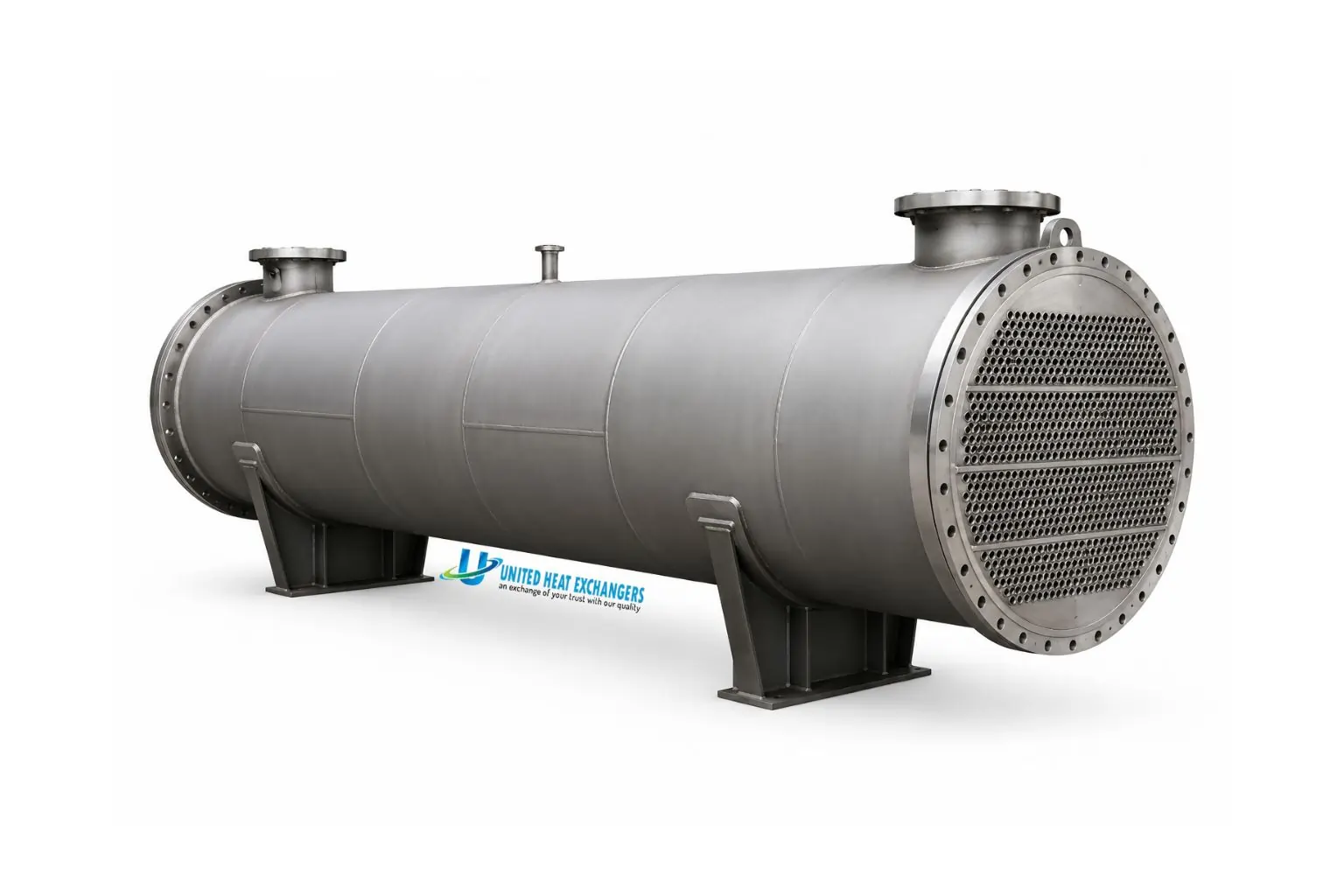
Both tube sheets are fixed to the shell. A fixed tube-sheet exchanger is often a compact, economical option where the process and temperature conditions permit this construction.
- Fewer major components and a straightforward arrangement.
- Suitable where shell-side cleaning can be managed by the selected method.
- Thermal expansion must be assessed; a suitable design solution may be required.
- Commonly considered for clean services and utility duties.
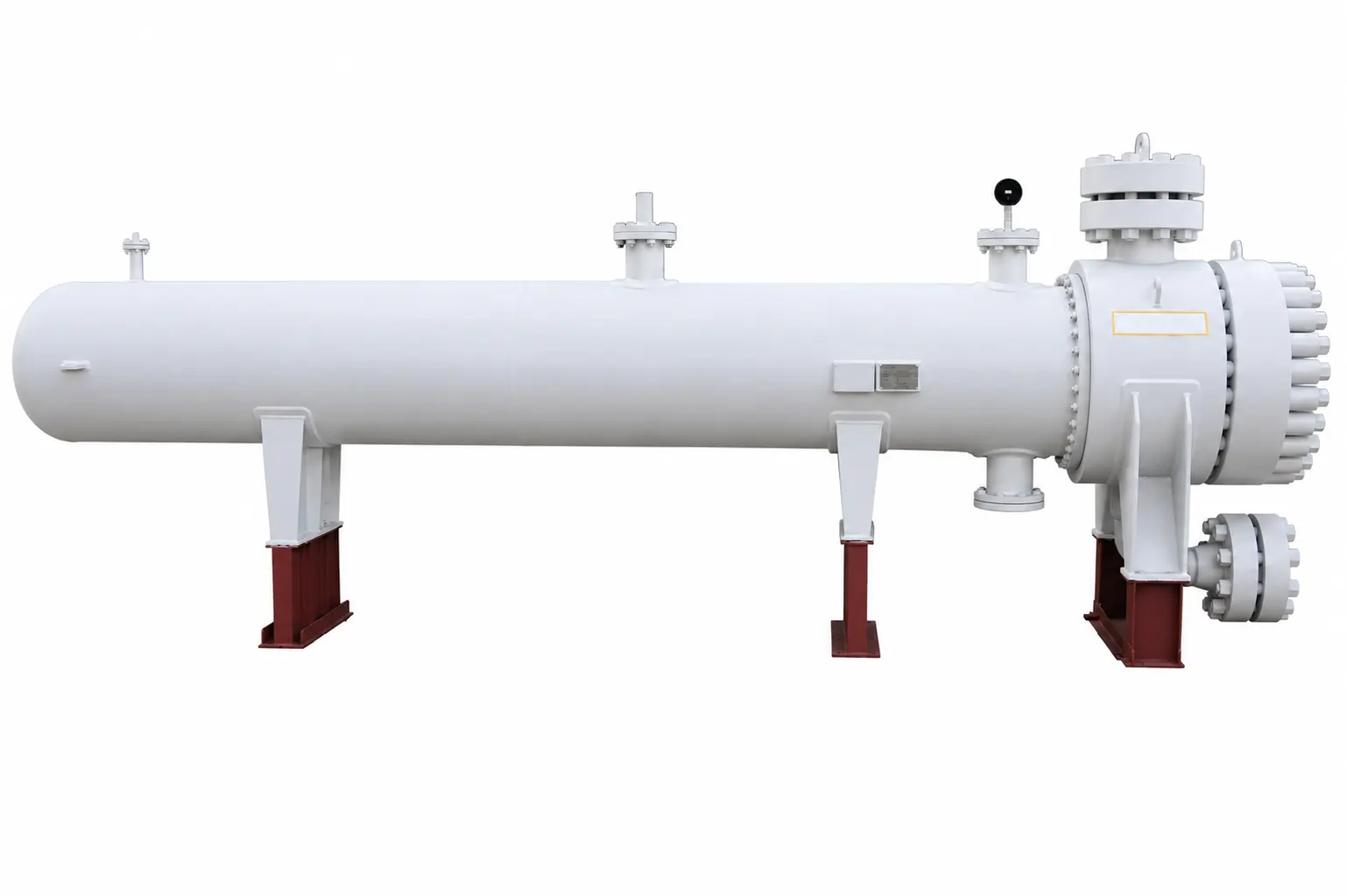
Each tube bends back in a U shape, with both ends attached to one tube sheet. The bundle can accommodate differential thermal expansion without a second fixed tube sheet.
- Useful where temperature differences create significant expansion concerns.
- Removable bundle can provide access to the shell side.
- Fewer tube-sheet joints than a two-sheet arrangement.
- The return bends can make individual tube-side mechanical cleaning more involved.
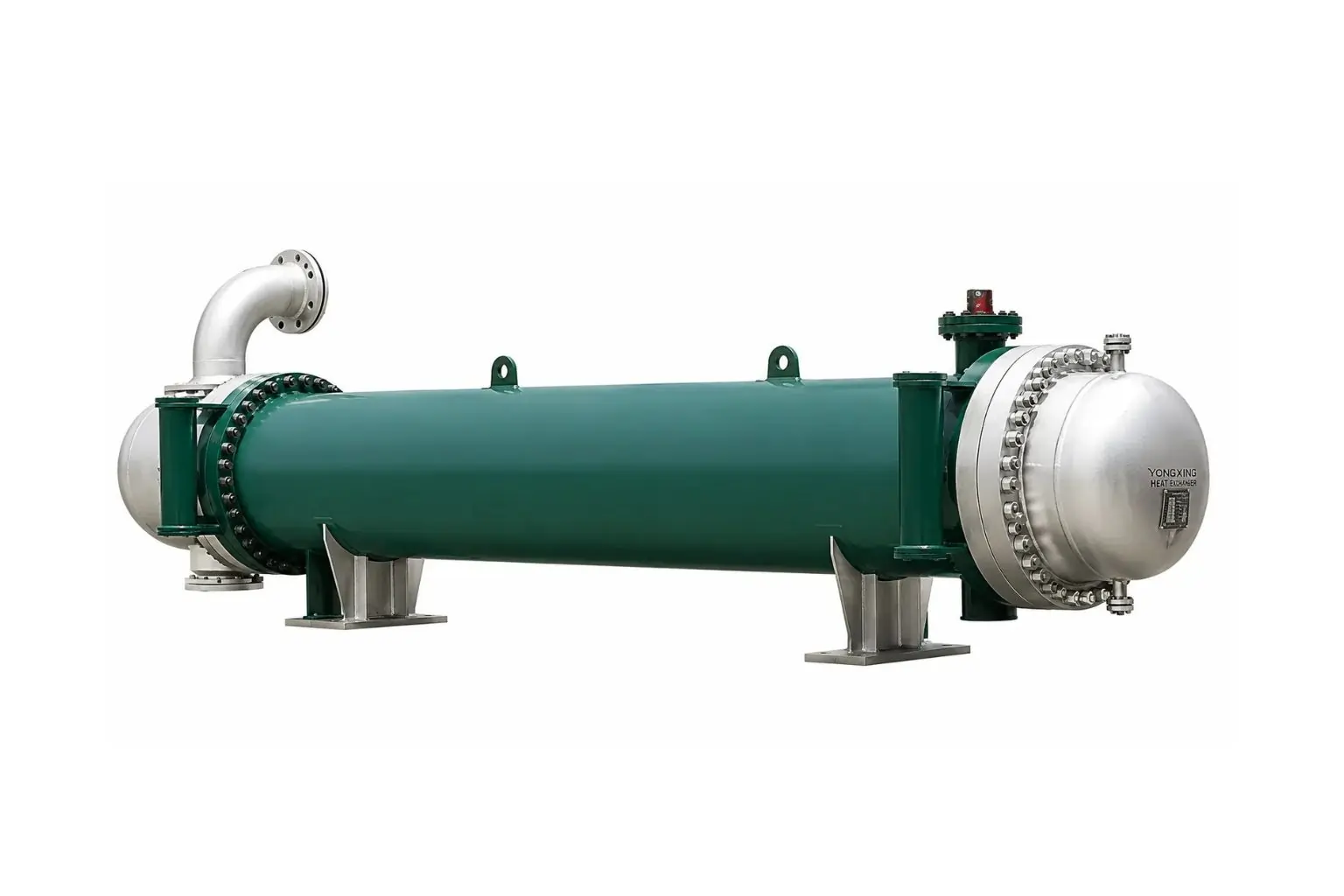
A floating tube sheet allows differential expansion and can enable full bundle withdrawal. It is considered when maintenance access and cleaning on both sides are important.
- Bundle withdrawal can support inspection and mechanical cleaning.
- Can suit services with higher fouling or demanding maintenance needs.
- More components and design detail than a basic fixed-tube-sheet unit.
- Selection should account for pressure, leakage risk, access and lifecycle cost.
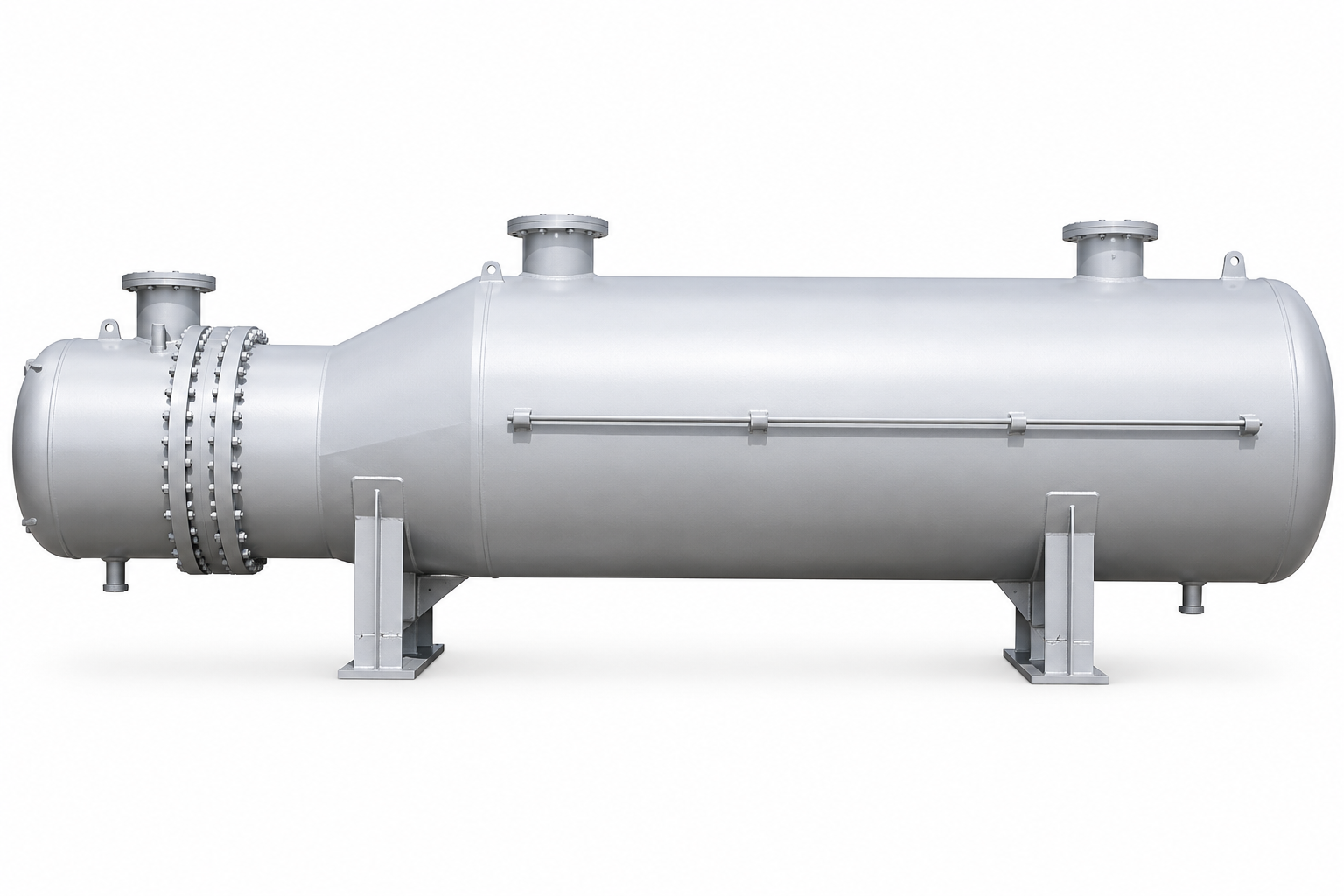
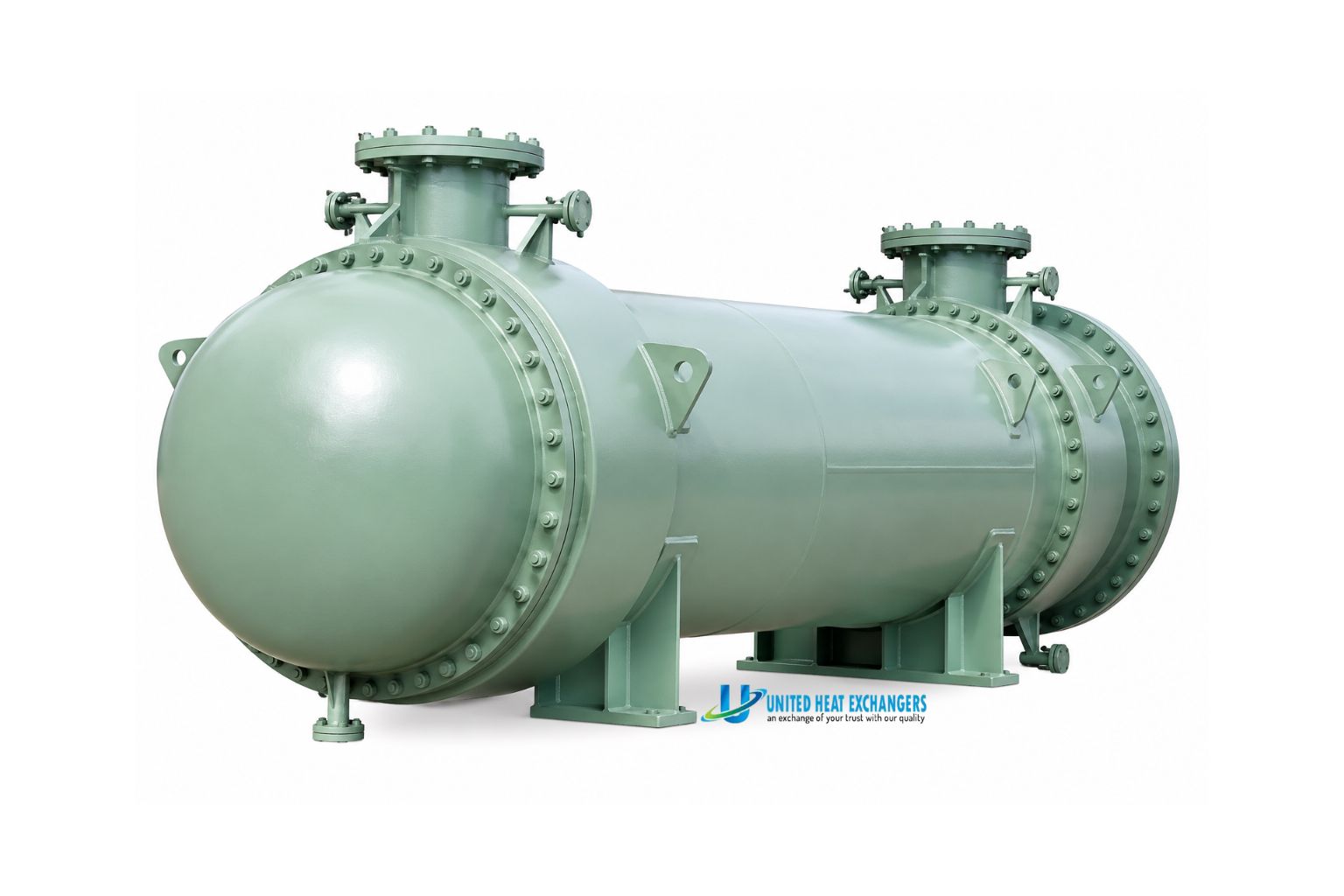
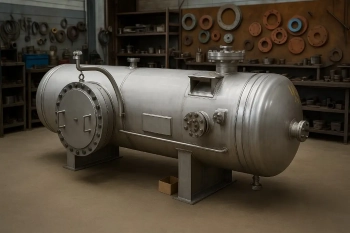
A kettle reboiler provides a liquid holdup region around the tube bundle and vapour disengagement space above it. It is commonly evaluated for distillation-column reboiling duties.
- Designed around the required boiling duty and vapour disengagement.
- Liquid level and bundle submergence are important design considerations.
- Bundle arrangement and materials depend on process fluid and fouling.
- May be specified with an appropriate removable bundle arrangement.
Configuration guidance: No single exchanger type is best for every duty. Tell us what is flowing on each side, the temperatures and pressures, expected fouling and preferred cleaning approach. We can assess the practical trade-offs and recommend a configuration for your review.
Engineered for Process, Mechanical and Maintenance Requirements
A heat exchanger that meets the heat duty on paper must also operate within pressure-drop limits, handle the specified materials and be maintainable in its actual plant location. Our engineering review brings those factors together before fabrication. Thermal and mechanical calculations are based on the data supplied and the agreed design basis; assumptions and exclusions should be clearly recorded in the proposal and final documentation.
Thermal sizing
Duty, inlet and outlet temperatures, flow rates, fluid properties, fouling resistance and allowable pressure drop inform heat-transfer area and configuration. Where specified, HTRI software can be used to support thermal rating.
Mechanical design
Pressure, temperature, corrosion allowance, supports, nozzles, tube sheets and applicable code requirements are considered in the mechanical design package. Code stamping or third-party inspection is confirmed against the purchase scope.
Materials for the service
Material selection depends on corrosion, erosion, temperature, pressure, fluid compatibility and project standards. Options may include carbon steel, stainless steel, duplex and selected alloys, subject to availability and engineering review.
Tube bundle and baffles
Tube layout, pitch, pass count, baffle type and spacing influence heat transfer, pressure drop, vibration risk and cleanability. These details are evaluated for the duty rather than selected by keyword or generic rule.
Safe, separated streams
Tube-side and shell-side fluids remain separated by the tube wall and pressure boundaries. The design basis considers the operating pressures and the consequences of a potential cross-leak for the particular process.
Inspection and documentation
Inspection plans, material records, weld examination, testing and final documents are aligned with the contract and applicable specifications. Required witness points and inspection agency involvement should be stated at enquiry stage.
Designed around your constraints: We look beyond nominal heat-transfer area. A robust selection considers start-up and turndown, fouling allowance, allowable pressure drop, thermal expansion, access for bundle removal, available plot space and planned turnaround intervals.
Applications Across Process Industries
Shell-and-tube equipment is used wherever two process streams need to exchange heat without mixing. The application determines which stream belongs on the shell side or tube side, what materials are appropriate, and how the unit should be arranged for cleaning and inspection. Final suitability always depends on process data and engineering review.
Oil, gas and refining
Process cooling and heating, lube-oil cooling, condensers and other duties involving hydrocarbons. Fouling tendency, hazardous-area requirements and material compatibility are central selection inputs.
Chemicals and petrochemicals
Heat transfer for process liquids, condensable vapours and utility streams. Corrosion resistance, contamination risk and operating flexibility guide equipment specification.
Power and steam systems
Water and utility cooling, steam-related duties and auxiliary process services. Applicable pressure regulations, condensate handling and inspection needs should be established early.
Fertiliser and bulk process
Heating, cooling and condensation duties in continuous plants. Materials, fouling characteristics and reliability expectations vary widely with the process chemistry.
Marine and offshore
Equipment can be specified for space, vibration, environment and project requirements. Seawater service needs particular attention to corrosion allowance, material selection and maintenance access.
Food, pharma and utilities
Where hygiene or product quality matters, surface finish, drainability, cleaning method and material requirements must be defined with the process owner and relevant standards.
Oil & GasRefiningPetrochemicalPowerChemicalFertiliserMarineFood & BeveragePharmaceuticalHVAC & Utilities
How a Shell and Tube Heat Exchanger Works
The operating principle is simple; achieving the required performance requires the right area, flow arrangement and internal geometry. One stream flows through the tubes while the second moves through the shell, around the outside of the tubes. The tube wall conducts heat between them while keeping the streams apart.
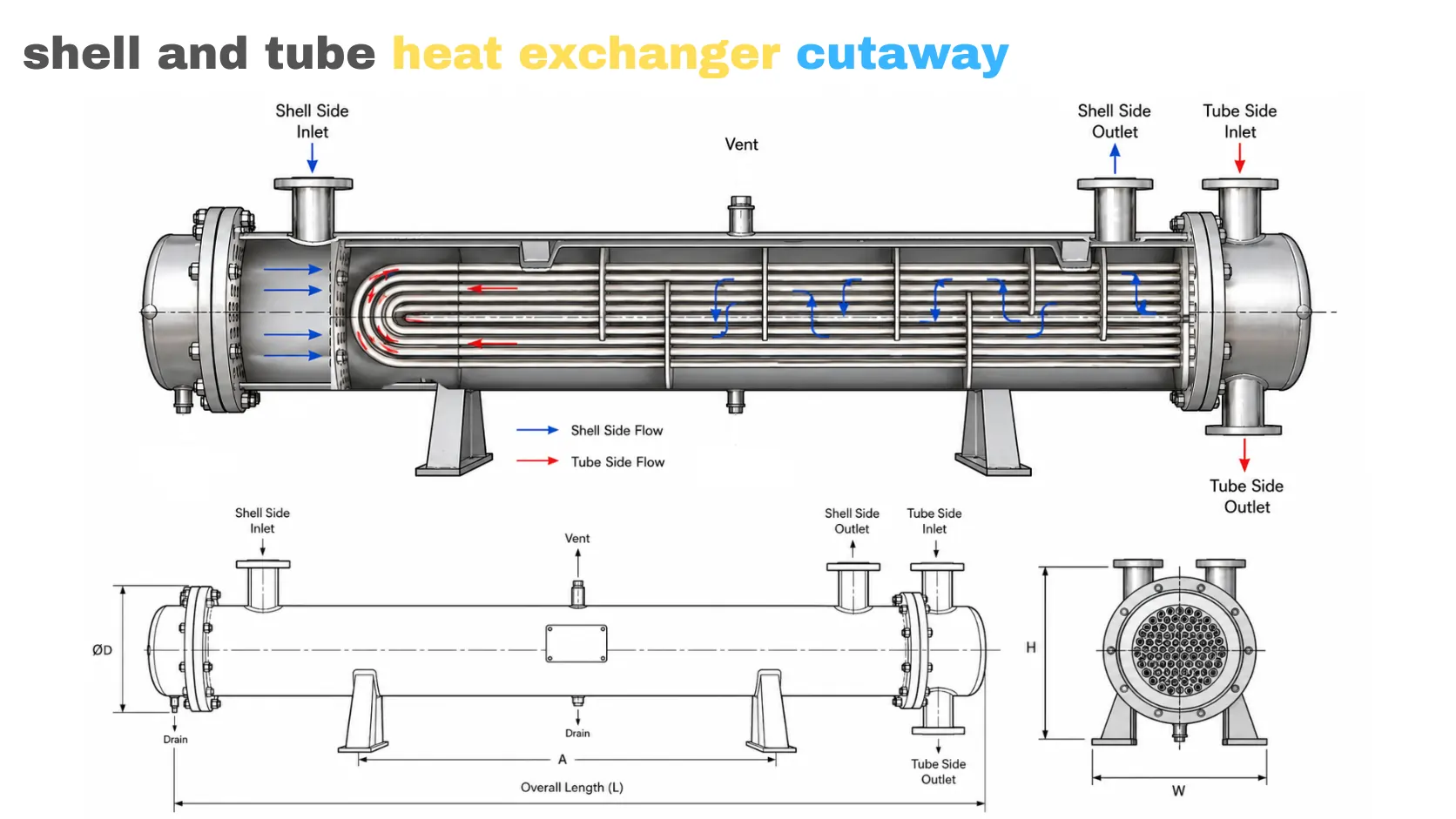
Illustrative shell-and-tube layout. Exact pass arrangement, baffle geometry, nozzles and flow direction vary by design.
1Streams enter
Each fluid enters its designated circuit through a separate nozzle.
2Flow is distributed
Channels and pass partitions guide tube-side flow; shell nozzles direct shell-side flow.
3Heat is exchanged
Heat crosses the tube wall from the hotter stream to the cooler stream.
4Internals guide flow
Baffles support and redirect shell-side flow as defined by the design.
5Streams leave separately
Each fluid exits through its own outlet for the next process step.
Counter-current flow is often advantageous because it can provide a favourable temperature-driving force, but actual arrangements may include multiple tube passes and complex shell-side flow. Thermal performance depends on the complete design and operating conditions—not flow direction alone. Start-up, fouling, changing flow rates and off-design conditions should therefore be included in the enquiry whenever relevant.
How to Choose the Right Industrial Heat Exchanger
A complete enquiry helps a shell and tube heat exchanger supplier assess the duty accurately and avoid unnecessary clarification cycles. If some data is not yet available, send what you have and identify estimates clearly. Our team can indicate which missing inputs are critical for a firm thermal and commercial proposal.
1. Define the process duty
State the required heat load, operating case, desired outlet conditions, continuous or intermittent operation, and any start-up or turndown requirements.
2. Provide stream data
For both fluids, include name or composition, flow rate, phase, inlet and target outlet temperatures, density, viscosity, specific heat and thermal conductivity when available.
3. Confirm pressure limits
Share normal and design pressures and temperatures, allowable pressure drop on each side, vacuum conditions and any pressure-cycle or transient requirements.
4. Explain fouling and cleaning
Describe expected deposits, solids, scaling, corrosion, cleaning chemicals and planned cleaning frequency. Identify whether bundle removal or on-line cleaning is important.
5. Specify materials and code
List preferred tube and shell materials, corrosion allowance, applicable ASME/TEMA or local requirements, inspection scope, documentation and any certification needs.
6. Share site constraints
Provide space limits, nozzle orientation, piping loads if known, lifting and bundle-pull space, ambient conditions, installation location and delivery destination.
Helpful enquiry attachments: process datasheet, P&ID or sketch, previous exchanger nameplate/details, utility conditions, project specification, and preferred delivery schedule. The more complete the inputs, the more useful the initial recommendation.
Manufacturing, Quality Checks and Lifecycle Services
As a shell and tube heat exchanger manufacturer and supplier, we coordinate engineering, fabrication and quality activities to the approved project documents. Inspection and testing are specified for each order; the exact procedure, acceptance criteria, witness points and certificates should be agreed before purchase order placement.
Project scope can include
- Thermal and mechanical engineering: duty review, equipment sizing, design calculations and drawings as defined by the order.
- Fabrication coordination: shell, channel, tube bundle and pressure-part manufacture to approved drawings and material specifications.
- Quality and inspection: material identification, weld inspection and NDE to the approved inspection and test plan.
- Pressure testing: hydrostatic or other specified testing conducted in accordance with the applicable code and project requirements.
- Project documentation: drawings, data sheets, inspection records, test certificates and material documents as included in the agreed supply scope.
- Optional code or statutory scope: ASME U-Stamp, IBR, third-party inspection or other approvals only where applicable and expressly confirmed for the project.
Installation support
Guidance for lifting, orientation, foundation, piping connection and pre-commissioning checks, subject to the agreed service scope.
Inspection and troubleshooting
Assessment of leakage, performance shortfall, fouling, corrosion or vibration symptoms and practical next-step recommendations.
Cleaning and maintenance
Mechanical or chemical cleaning recommendations based on deposit type, metallurgy and safe operating procedure.
Repair and re-tubing
Tube plugging, replacement, bundle repair, gasket replacement and refurbishment options following condition assessment.
Performance review
Review changed process conditions and evaluate re-rating, pressure-drop changes or bundle modifications where feasible.
Spare parts and support
Assistance identifying tubes, gaskets, baffles and other replacement parts against equipment records and specifications.
Shutdown planning
Coordinate inspection or service requirements early to support planned maintenance windows and plant turnaround preparation.
Long-term service
Discuss scheduled maintenance or annual support arrangements based on installed equipment, site needs and response expectations.
Get a Shell and Tube Heat Exchanger Proposal
Send your process duty, fluid details, design conditions, allowable pressure drop, materials and project requirements. Our team will review the enquiry and advise the next steps for a configuration, technical offer and commercial quotation.
Send Your Enquiry →What to Expect When You Enquire
ReviewWe check duty data, operating limits and missing information.
RecommendConfiguration and key design choices are matched to the service.
QuoteScope, exclusions, delivery basis and documents are clarified.
SupportTechnical coordination continues through agreed project stages.
Lead time, pricing, design deliverables, certification and inspection scope depend on configuration, materials, capacity, project specification and current production schedule. These are confirmed in the formal quotation.
Frequently Asked Questions
What is a shell and tube heat exchanger?
It is a heat-transfer device with one fluid flowing through tubes and another flowing around the tubes inside a shell. Heat passes through the tube walls, allowing the streams to exchange energy while remaining separate.
How do I choose a shell and tube heat exchanger manufacturer in India?
Compare the supplier's ability to understand your duty, support thermal and mechanical design, document the agreed code and inspection scope, select suitable materials and provide service support. Ask for a clear technical offer with assumptions, exclusions and deliverables—not only a price.
Which configuration is best: fixed tube sheet, U-tube or floating head?
It depends on thermal expansion, fouling, cleaning access, pressure, temperature, cost and maintenance strategy. Fixed tube sheet designs can be economical for suitable services; U-tube accommodates expansion; floating-head arrangements can support bundle removal. A process-specific review is recommended.
What information should I send for a quotation?
Share both fluid compositions and flow rates, inlet and required outlet temperatures, design and operating pressures, allowable pressure drops, fouling details, material preferences, applicable code, quantity and delivery location. Include a datasheet or drawing if available.
Can you supply a heat exchanger for corrosive or fouling service?
Potentially, subject to engineering review. Corrosion resistance depends on the exact fluid composition, concentration, temperature, contaminants and operating conditions. Fouling should be described so the design and cleaning access can be evaluated; no material or configuration should be selected from a broad service label alone.
Are ASME, TEMA or IBR requirements included automatically?
No. These requirements depend on the application, jurisdiction and purchase specification. State the required code, class, stamp, inspection agency and documentation in your enquiry so their applicability, availability and scope can be confirmed before order.
Can United Heat Exchangers service an existing exchanger?
Service options may include inspection, cleaning, repair, re-tubing, spare-part identification and performance review. Provide the nameplate, drawings, dimensions, service history and a description of the problem so the team can assess feasibility.
Do you supply shell and tube heat exchangers outside India?
United Heat Exchangers serves domestic and international project enquiries. Export packing, documentation, shipping terms and destination requirements are confirmed for each order.
Discuss Your Process Duty with Our Team
Whether you are replacing an existing unit or specifying a new process exchanger, share the data you have. We will help clarify the design inputs and commercial scope for the right next step.
Contact United Heat Exchangers →United Heat Exchangers Pvt. Ltd. — Shell and tube heat exchanger manufacturer and supplier serving industrial projects from India. Product suitability, design limits, standards, approvals, testing, delivery and warranty are subject to the approved technical specification and formal quotation.