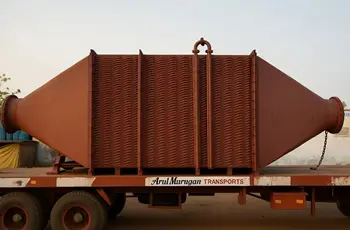
Air cooled Heat Exchanger
United Heat Exchangers, a leading Air Cooled Heat Exchanger manufacturer and supplier in India, delivers high-quality, durable solutions for industrial applications.
A heat exchanger is a piece of process equipment that transfers thermal energy between two or more fluids at different temperatures, without letting them physically mix (in most designs). It is one of the most widely used pieces of equipment across refineries, chemical plants, power stations, HVAC systems, and food processing — anywhere a fluid needs to be heated, cooled, condensed, or vaporized efficiently.
The right heat exchanger for a given duty depends on five factors: the fluids involved, the operating pressure and temperature, fouling tendency, available footprint, and budget. Getting this selection wrong is one of the most common (and expensive) mistakes in process equipment specification.
Every heat exchanger works on the same principle: one fluid gives up heat, the other absorbs it, and the two are kept apart by a solid barrier — tubes, plates, or a finned surface — so heat crosses the barrier by conduction and convection but the fluids themselves don't mix.
The rate of heat transfer depends on the surface area available, the temperature difference between the fluids (commonly calculated using the Log Mean Temperature Difference, or LMTD), the flow arrangement (parallel, counter, or crossflow), and the overall heat transfer coefficient — which itself is reduced over time by fouling on the heat transfer surface.
Heat exchangers are classified primarily by construction. Each type trades off pressure/temperature capability, fouling tolerance, footprint, and cost differently.
United Heat Exchangers, a leading Air Cooled Heat Exchanger manufacturer and supplier in India, delivers high-quality, durable solutions for industrial applications.
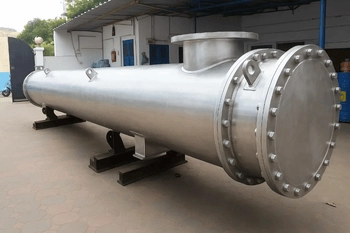
A Shell and Tube Heat Exchanger transfers heat between fluids using a series of tubes enclosed in a shell, ideal for high-pressure systems.
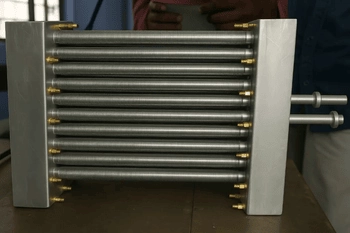
A Finned Tube Heat Exchanger enhances heat transfer by increasing surface area with fins, ideal for efficient air or gas cooling applications.
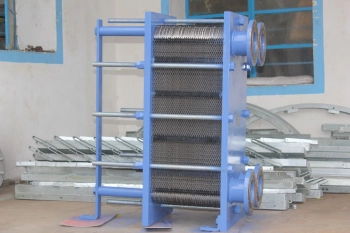
A Plate Type Heat Exchanger uses thin metal plates to efficiently transfer heat between fluids, offering compact design and high thermal performance.

An Air Cooled Condenser condenses refrigerant vapors using ambient air, offering efficient, water-free heat rejection
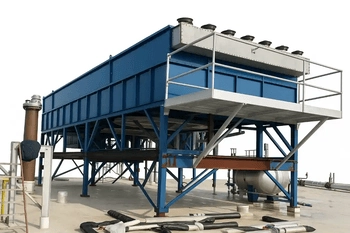
An Air Fin Cooler transfers heat from process fluids through finned tubes using ambient air, ensuring efficient and water-free cooling.

A Brazed Plate Heat Exchanger uses thin, corrugated metal plates brazed together to efficiently transfer heat between fluids in a compact form.
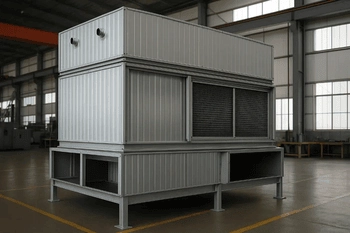
An Air Heat Exchanger transfers heat between air and a fluid, offering efficient thermal management without using water.
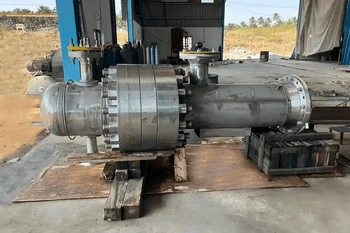
A Refluxer Condenser condenses vapor and returns part of the liquid to improve separation efficiency in distillation.
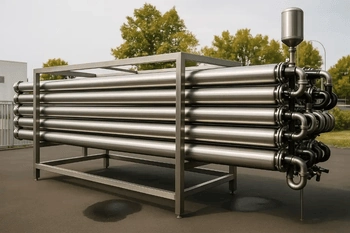
A Double Pipe Heat Exchanger transfers heat between two fluids using concentric pipes, ideal for low flow and high-temperature control.
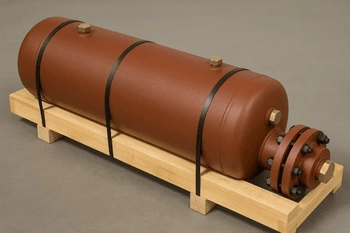
A Marine Heat Exchanger cools engine systems by transferring heat from coolant to seawater, ensuring efficient marine engine operation.
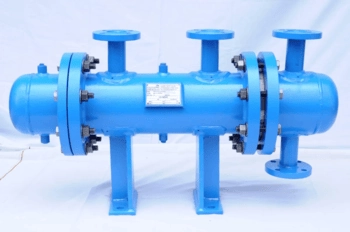
A Tubular Heat Exchanger transfers heat between fluids through tubes, ideal for high-pressure and high-temperature applications.

An Oil Cooler dissipates excess heat from lubricating or hydraulic oil, ensuring optimal performance and preventing equipment damage.
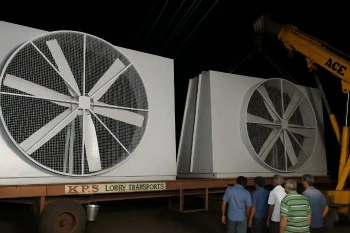
Finned Coolers enhance heat dissipation by increasing surface area, ideal for efficient air-side cooling in compact spaces.

A Fin Fan Cooler uses fans to blow air over finned tubes, efficiently cooling process fluids without water, ideal for industrial applications.

An Intercooler reduces the temperature of compressed air or gas between compression stages, improving engine or process efficiency.

An Air Blast Oil Cooler uses ambient air blown over finned tubes to efficiently cool hydraulic or lubricating oil without water.
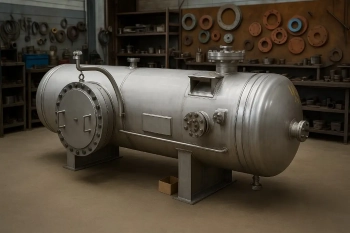
United Heat Exchangers, a leading Pressure Vessels manufacturer and supplier in India, delivers high-quality, durable solutions for industrial applications.
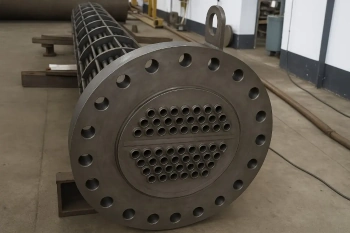
A U Tube Bundle Heat Exchanger features U-shaped tubes that allow thermal expansion and compact heat transfer in high-pressure applications.
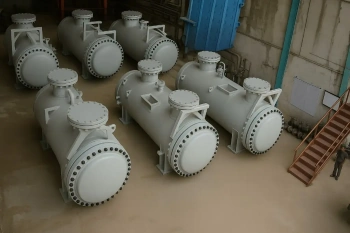
A Filter Vessel removes impurities from liquids or gases, ensuring clean flow and protecting equipment in industrial systems.

A Hairpin Heat Exchanger enables efficient heat transfer in compact spaces, ideal for high-pressure, two-phase flow applications.
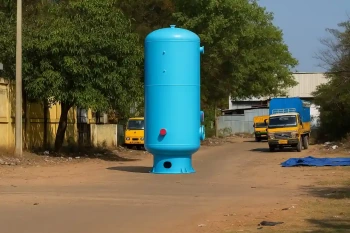
An Air Receiver stores compressed air, balances pressure fluctuations, and ensures efficient operation of air compressor systems.

Air Dryers remove moisture from compressed air systems, preventing corrosion, improving efficiency, and ensuring dry, clean air.
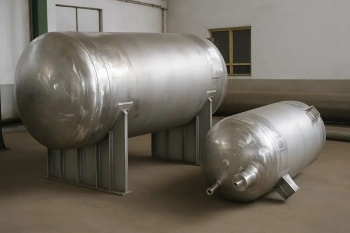
A Flash Tank separates steam and condensate in high-pressure systems, improving efficiency and protecting downstream equipment.

A Kettle Reboiler Heat Exchanger uses boiling liquid to generate vapor, often in distillation columns, ensuring efficient heat transfer and process control.

An SS High Pressure Heat Exchanger efficiently transfers heat under high pressure, offering durability and reliability in demanding applications.

A Removable Tube Sheet Heat Exchanger has a tube bundle that can be taken out from the shell for easy cleaning and maintenance, making it ideal for fluids that cause fouling or scaling.

An Air Preheater recovers waste heat from flue gases to preheat incoming air, boosting boiler efficiency and saving energy

A Dump Condenser efficiently cools steam or vapor by transferring heat to a cooling medium, often used in industrial processes.

A Surface Condenser cools steam by transferring heat to a cooling medium, commonly used in power plants to condense exhaust steam.

A Brass Tube Bundle Heat Exchanger transfers heat efficiently using brass tubes, offering excellent corrosion resistance and durability.
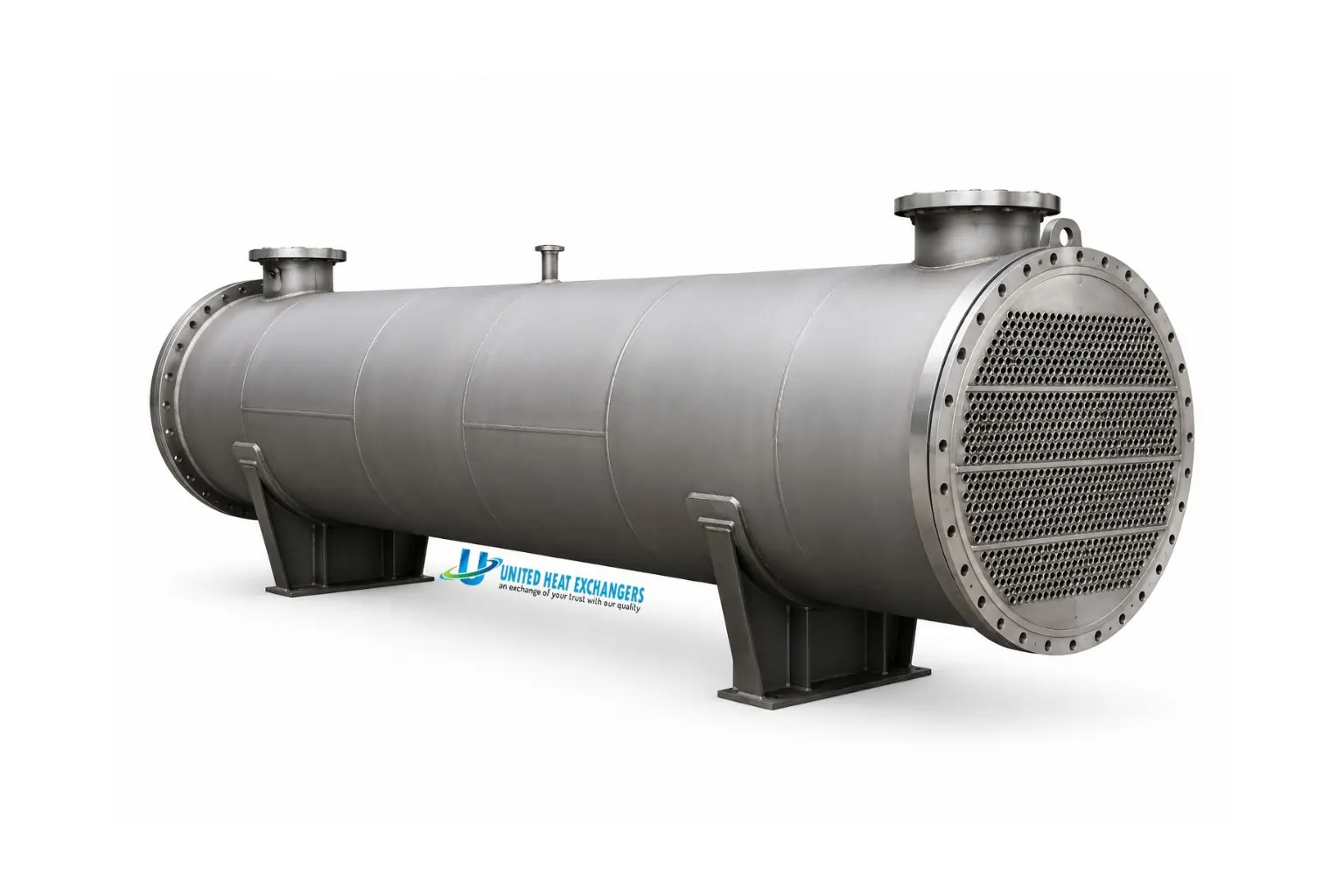
A Fixed Tube Sheet Heat Exchanger is a shell-and-tube exchanger where both tube sheets are permanently welded to the shell, and the tube bundle cannot be removed. One fluid flows inside the tubes while the other flows over the tubes within the shell, enabling efficient heat transfer.

A Coil Heat Exchanger uses coiled tubes to efficiently transfer heat between fluids in compact, high-performance systems.

A U Tube Heat Exchanger transfers heat using U-shaped tubes, ideal for high-pressure, and thermal expansion.

A Stacked Heat Exchanger uses layered plates for compact, efficient heat transfer in tight spaces.
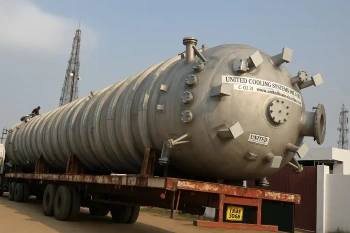
O2 Reactor and Blow Tank enable efficient oxidation and flow in compact industrial systems.
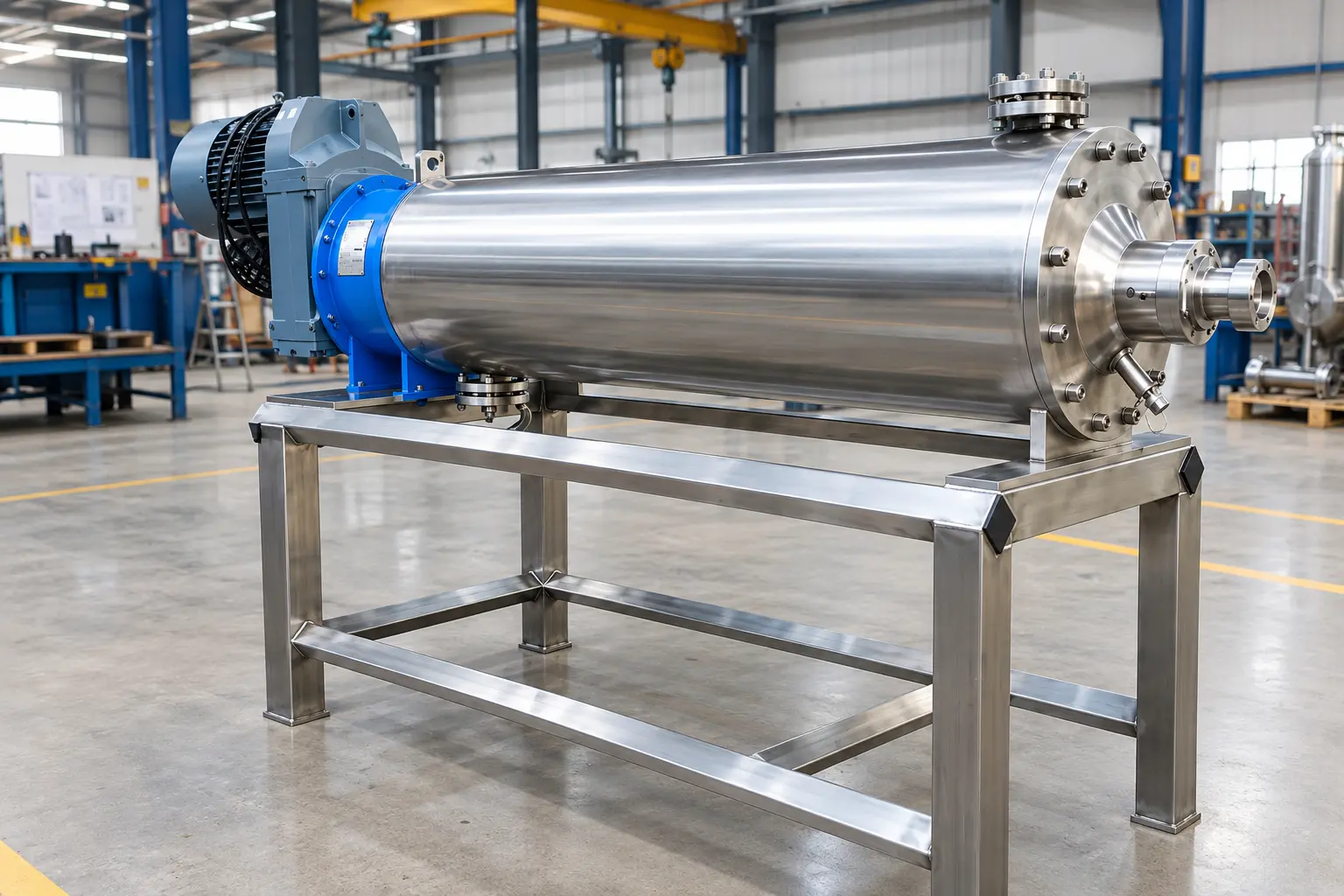
Author: Senthil Kumar, Technical Director | Updated: June 2026 Table of ContentsWhat Is a Dynamic Scraped Surface Heat Exchanger?How a Scraped Surface Heat Exchanger WorksWhy Scrap…

Aluminium Heat Exchanger Header Box ensures uniform fluid flow and efficient heat transfer.

LEF Condenser Header Box ensures uniform fluid flow and optimal condensation efficiency.

Test Separator Vessel ensures precise phase separation and accurate measurement of multiphase flow.
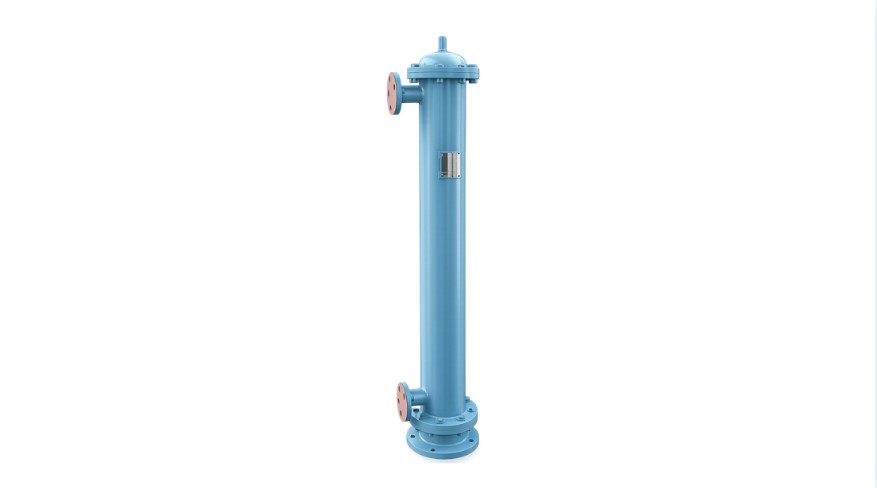
Maximize Heat Transfer. Minimize Plant Footprint.When horizontal floor space is restricted or gravity-assisted fluid dynamics are required, United Heat Exchangers delivers extreme-…
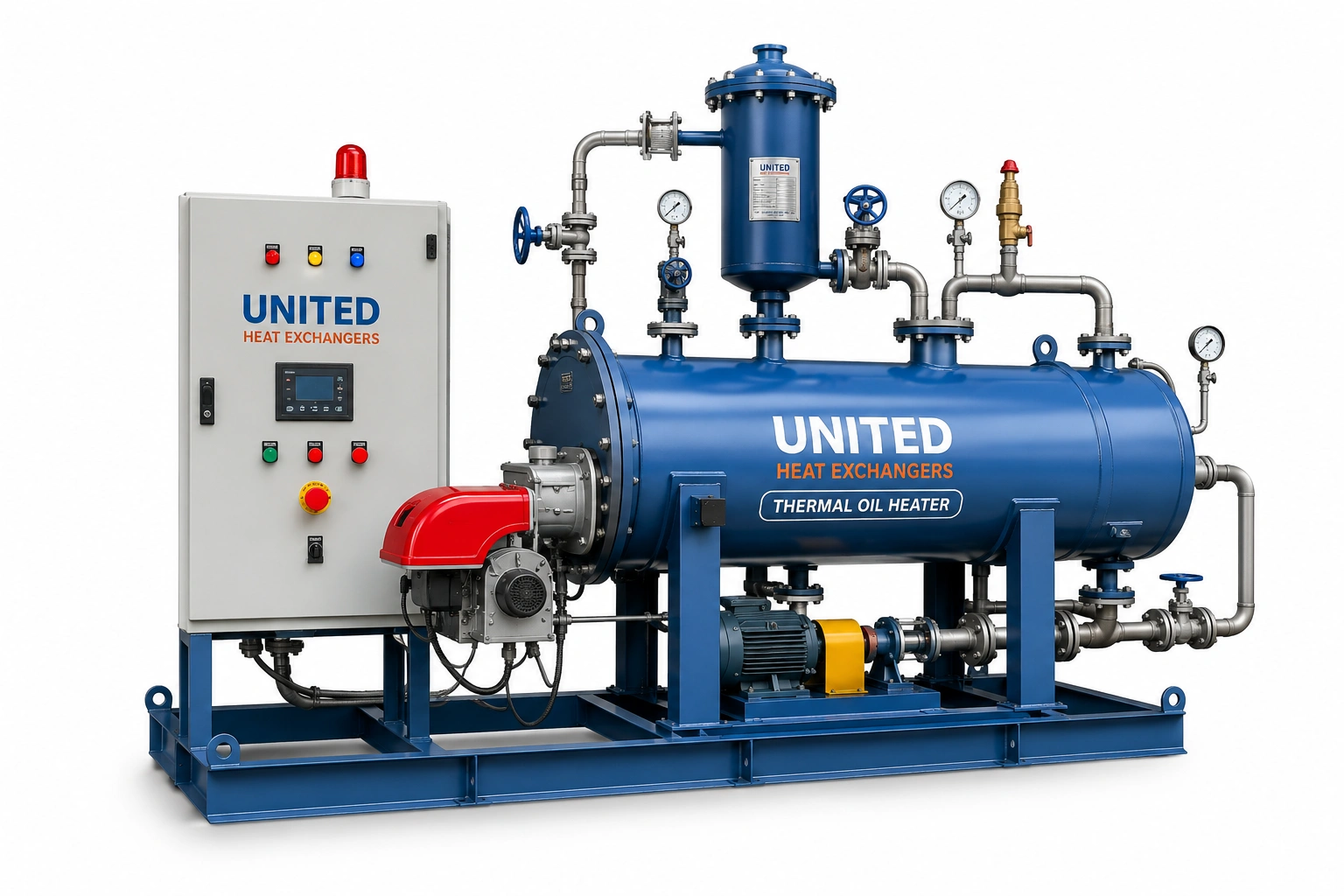
Extreme High Temperatures. Zero High-Pressure Hazards.When your industrial process requires extreme heat, traditional steam boilers become dangerously highly pressurized and expens…
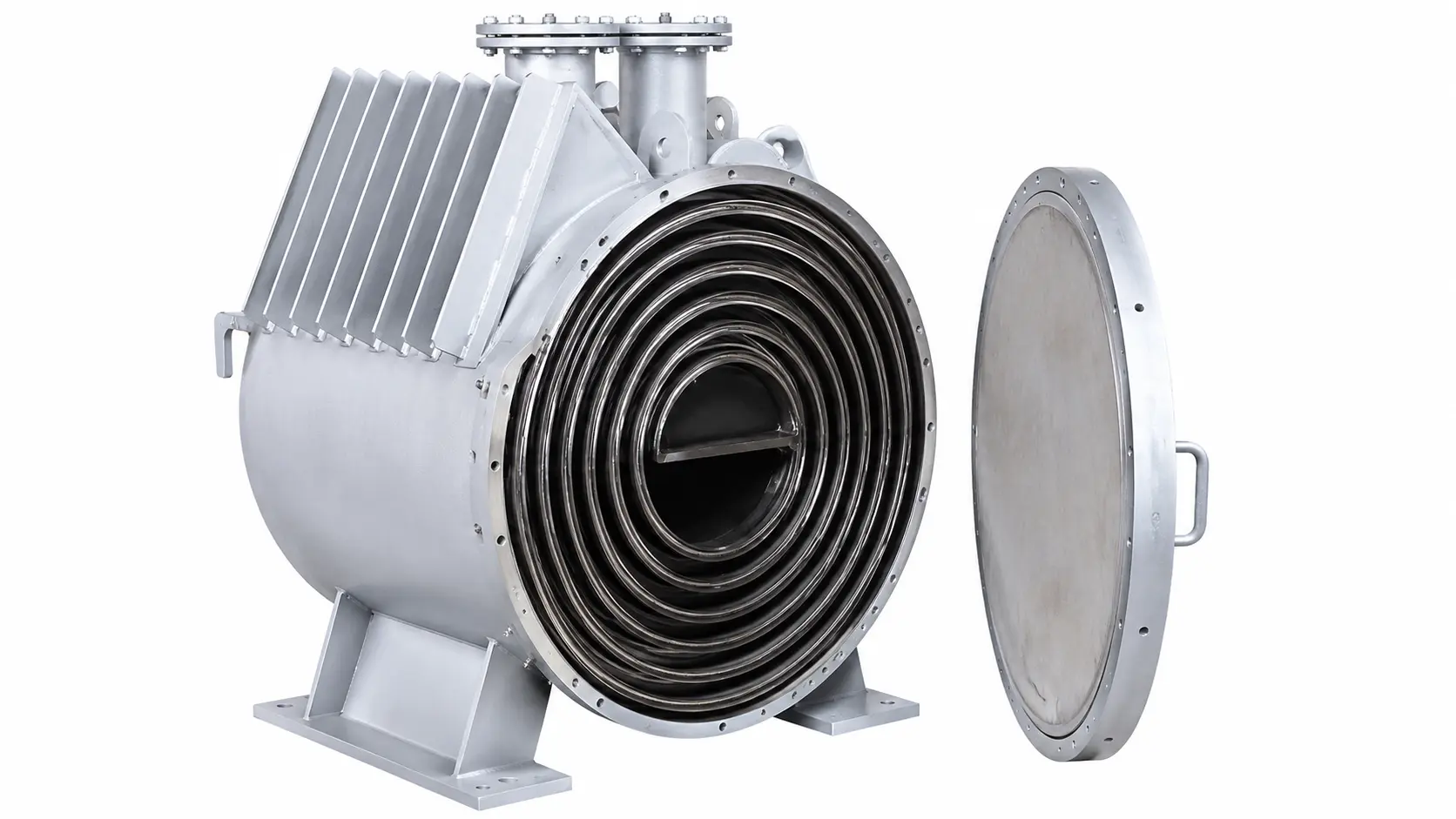
Author: Senthil Kumar, Technical Director — United Heat Exchangers Pvt. LtdPublished: August 2026What is a Spiral Heat ExchangerSelf-Cleaning TechnologySlurry & WastewaterHig…
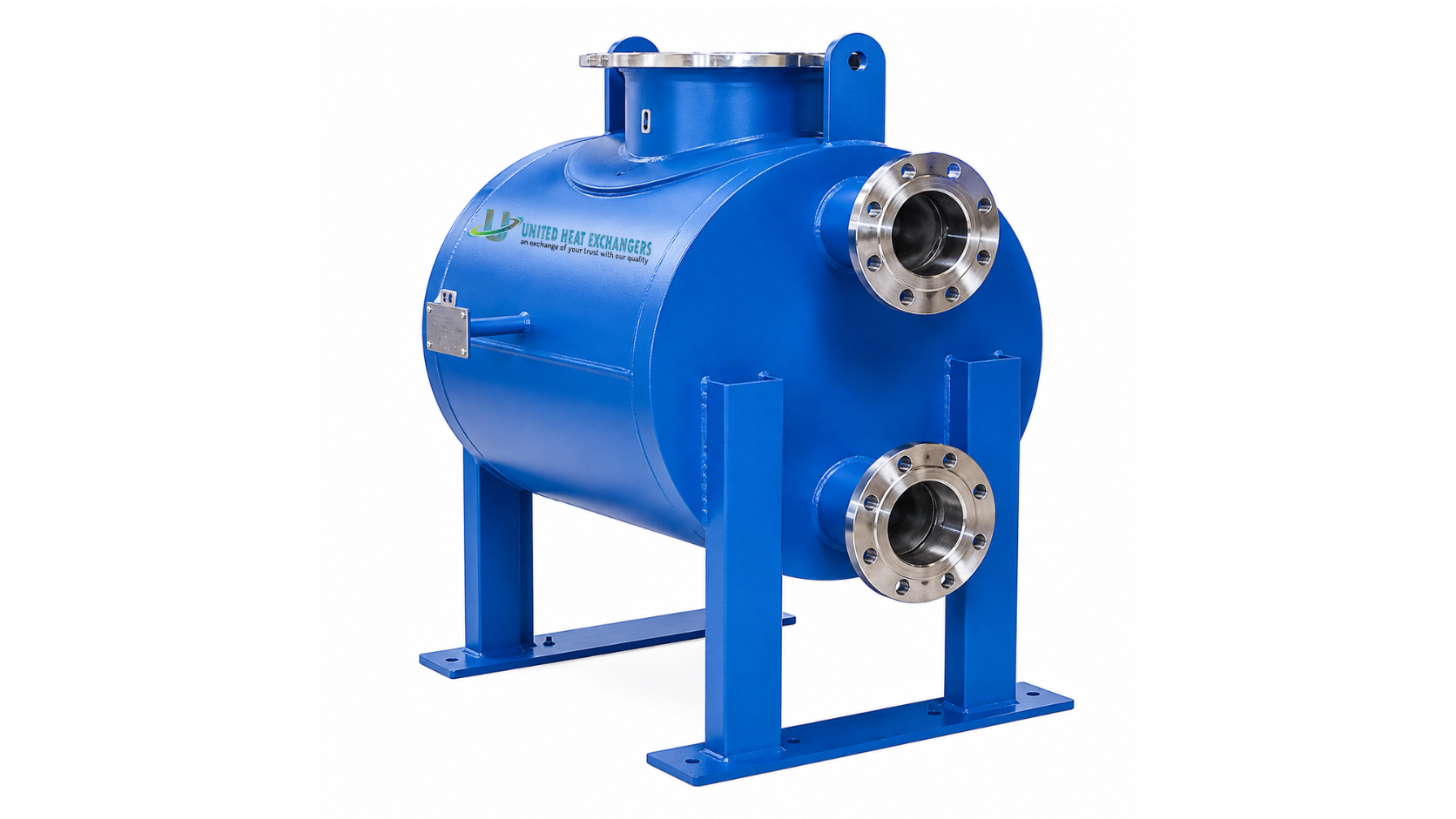
Author: Senthil Kumar, Technical Director — United Heat Exchangers Pvt. LtdPublished: August 2026What is a Plate and Shell Heat ExchangerPSHE TechnologyFully Welded Plate PackHig…
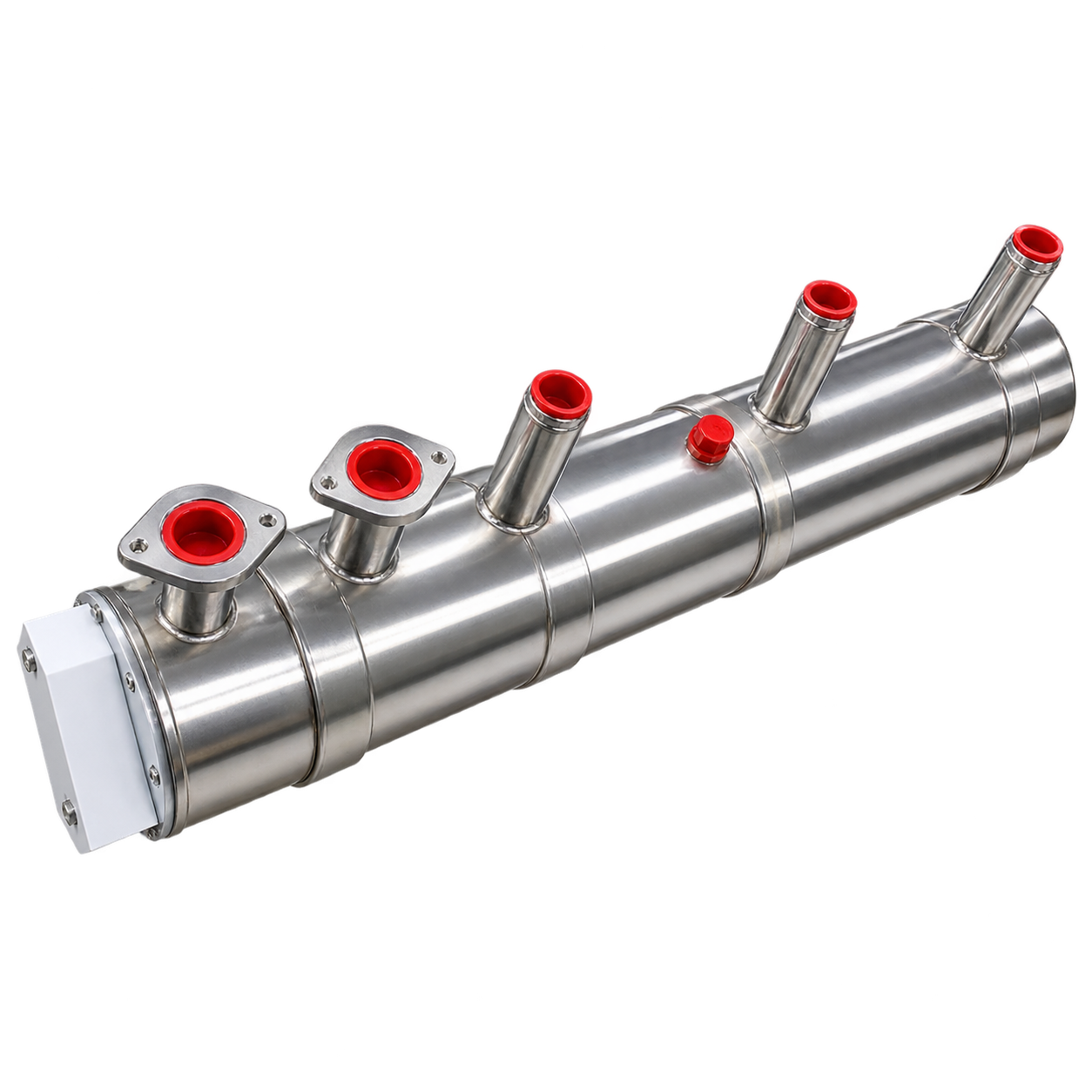
At United Heat Exchangers, our reactor-type heat exchangers—commonly known as heat exchanger reactors or HEX reactors—deliver a revolutionary approach to industrial chemical p…

An Air Cooler Header Box distributes fluid evenly to air cooler tubes, ensuring efficient flow and uniform heat exchange.
Heat exchanger design starts with a thermal duty — how much heat must move, between which fluids, at what allowable pressure drop — and works backward to a physical size. The core calculations engineers work through are:
| Calculation | What It Determines |
|---|---|
| LMTD (Log Mean Temperature Difference) | The effective driving temperature difference across the exchanger |
| Heat transfer coefficient | How efficiently heat crosses the tube/plate wall for each fluid |
| Pressure drop calculation | Whether the design fits within allowable pumping/compression limits |
| Fouling factor | Extra surface area margin to allow for performance loss over time |
| Tube/shell sizing | Physical dimensions — tube count, length, shell diameter, baffle spacing |
Material selection is driven by corrosion resistance, temperature rating, and cost — and it's usually only the wetted parts (tubes, plates, tube sheets) that need the expensive alloy.
Good general corrosion resistance; the default choice for chemical and food-grade duty.
Learn more →Excellent resistance to chlorides and seawater; used in marine and aggressive chemical service.
Learn more →Higher strength and chloride resistance than standard austenitic grades.
Learn more →Shell & tube, plate, air-cooled, and multitube designs from a single engineering team.
Every unit is sized to your actual fluids, flows, and pressures — not picked off a shelf.
New builds, retubing, and repair for units we did not originally supply.
Heat exchangers transfer heat between two fluids for heating, cooling, condensing, or vaporizing — used wherever a process needs precise temperature control without mixing the fluids involved.
Shell and tube is the most widely used type in industrial process plants because it handles the widest range of pressures, temperatures, and fouling conditions.
Choose plate for clean, liquid-to-liquid duty under roughly 300 psi and 200°C where footprint matters; choose shell and tube for higher pressure, higher temperature, fouling-prone, or vapor-handling duty.
Fluid corrosivity, operating temperature, and cost — carbon steel for non-corrosive service, stainless steel as the general default, and titanium, duplex, or Hastelloy for aggressive or high-chloride service.
Yes. United Heat Exchangers is a heat exchanger manufacturer based in Coimbatore, Tamil Nadu, designing and fabricating shell and tube, plate, air-cooled, and multitube exchangers to TEMA, ASME Section VIII, and API 660 standards since 1989, with export delivery worldwide.
Send us your fluid types, flow rates, temperatures, and operating pressures — our engineering team will recommend the right type, material, and configuration.
Request an Engineering Quote →