
Air cooled Heat Exchanger
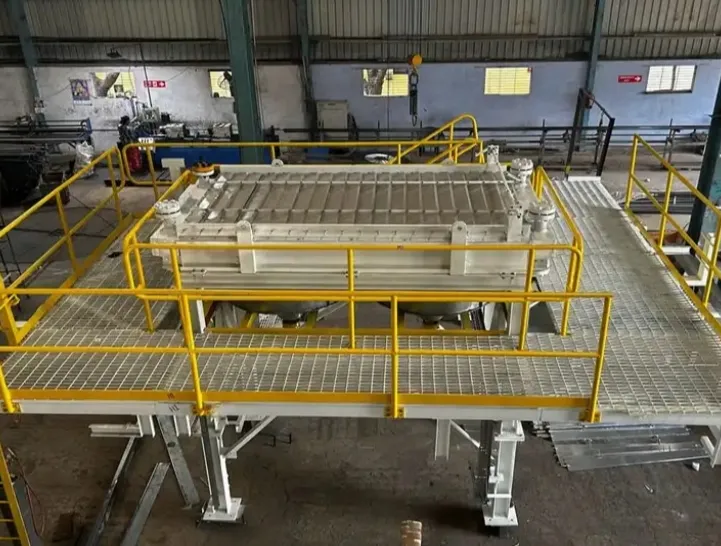
United Heat Exchangers, a leading Air Cooled Heat Exchanger manufacturer and supplier in India, delivers high-quality, durable solutions for industrial applications that provide efficient heat rejection without water consumption. Our systems are engineered for industries facing water scarcity, extreme temperatures, and demanding continuous-duty operations.
Whether you need process cooling for refineries, compressor aftercooling, or lube oil cooling systems, our air-cooled solutions deliver 20-30+ years of reliable performance with minimal maintenance requirements.
Key Benefits:
- Zero water consumption for sustainable operations
- API 661 and ASME-compliant fabrication
- Custom-engineered for your specific process requirements
- Lower total cost of ownership vs. water-cooled systems
What Is an Air Cooled Heat Exchanger and How Does It Work?
An air cooled heat exchanger, also called an air fin cooler or dry cooler, transfers heat from process fluids directly to ambient air without requiring cooling water, cooling towers, or water treatment infrastructure.Operating Principle
The cooling process works through four simple steps:- Hot process fluid (oil, glycol, gas, or other fluids) enters the finned tube bundle at elevated temperatures
- Axial fans (forced draft or induced draft) move large volumes of ambient air across the extended fin surface
- Heat transfers progressively from the hot fluid through the tube wall, into the aluminum or steel fins, and finally into the cooling air
- Cooled fluid exits the exchanger and returns to your process loop at the target temperature
Where Air Cooled Heat Exchangers Excel
Air fin coolers are the preferred cooling solution across multiple industries:- Oil and gas: Crude oil cooling, natural gas processing, offshore platforms
- Petrochemical plants: Process cooling, reactor cooling, distillation condensers
- Power generation: Turbine lube oil cooling, generator cooling, transformer cooling
- Chemical processing: Reactor jacket cooling, solvent condensers
- Manufacturing: Compressor aftercoolers, hydraulic systems, industrial refrigeration
Forced Draft vs Induced Draft Air Coolers: Which Configuration Is Right?
United Heat Exchangers manufactures both forced draft and induced draft air cooled heat exchangers. The choice depends on your site conditions, noise restrictions, maintenance access, and thermal performance requirements.| Feature | Forced Draft Air Coolers | Induced Draft Air Coolers |
|---|---|---|
| Fan Placement | Mounted below tube bundle | Mounted above tube bundle |
| Airflow Pattern | Air pushed upward through fins | Air pulled upward through fins |
| Maintenance Access | Excellent — easy tube bundle inspection | Good — requires elevated access |
| Air Distribution | Standard uniform coverage | Superior uniformity across bundle |
| Hot Air Recirculation | Higher risk in confined spaces | Minimal recirculation risk |
| Noise Control | Moderate attenuation options | Better noise reduction capability |
| Structural Requirements | Lighter support structure | Heavier frame for top-mounted equipment |
.png)
Forced draft air fin coolers are generally more economical and provide easier maintenance access, making them ideal for open plant layouts and standard applications.
Induced draft configurations offer superior thermal performance in tight spaces, better protection from air recirculation, and improved noise control—critical for urban installations or noise-sensitive environments.
Our engineering team performs site-specific analysis including ambient temperature profiles, plot space constraints, prevailing wind patterns, and noise limitations to recommend the optimal configuration for your application.
Why United Heat Exchangers for Your Air Cooling Needs?
1. Process-Specific Engineering, Not Off-the-Shelf Products
Unlike suppliers offering standardized catalog models, United designs every air cooled heat exchanger based on your exact requirements:- Process fluid properties: Viscosity, fouling tendency, corrosivity, operating pressure
- Thermal duty requirements: Inlet/outlet temperatures, heat load, ambient design conditions
- Site constraints: Available plot space, structural limitations, noise restrictions
- Environmental factors: Coastal corrosion, dust exposure, extreme temperature swings
2. Proven Performance in Harsh Industrial Environments
Our air fin coolers operate reliably in conditions that challenge lesser equipment:- High ambient temperatures: Designs proven to 50°C+ ambient conditions
- Corrosive atmospheres: Coastal saltwater exposure, chemical plant environments, sour gas service
- Dusty locations: Cement plants, mining operations, desert installations
- Continuous heavy-duty cycles: 24/7/365 operation in critical process cooling
- Carbon steel, 304/316 stainless steel, duplex, titanium, or copper-nickel tubes
- Extruded aluminum fins, galvanized steel fins, or stainless steel fins
- Protective coatings: Epoxy, polyurethane, zinc-rich primers for extended service life
3. Lower Total Cost of Ownership Over Equipment Lifetime
While air cooled heat exchangers may have higher initial capital cost than some water-cooled alternatives, they deliver significantly lower lifecycle costs:Operating cost advantages:
- Zero water consumption (no municipal water costs)
- No chemical treatment expenses (biocides, corrosion inhibitors, scale preventers)
- Lower energy consumption (no cooling tower pumps, no water treatment systems)
- Reduced labor for operation and monitoring
- No scaling, fouling, or biological growth inside tubes
- No cooling tower maintenance or fill replacement
- Simple periodic fin cleaning vs. complex water-side servicing
- Easy fan motor and gearbox access for routine service
4. Rigorous Quality Standards and Compliance
Every United air cooled heat exchanger meets or exceeds industry requirements:- API Standard 661: Air-Cooled Heat Exchangers for General Refinery Service
- ASME Section VIII: Pressure vessel fabrication and code stamping where required
- ISO 9001 certification: Quality management throughout manufacturing
- Customer specifications: Project-specific codes, standards, and testing protocols
- Hydrostatic or pneumatic pressure testing of tube bundles
- Radiographic or ultrasonic weld inspection
- Fan performance testing and vibration analysis
- Dimensional verification and documentation packages
Key Advantages: Why Specify Air Cooled Heat Exchangers?
Zero Water Consumption for Sustainable Operations
In regions facing water scarcity or stringent environmental regulations, air fin coolers eliminate cooling water dependency entirely. This makes them essential for:- Desert and arid climate installations
- Remote locations without water infrastructure
- Plants with limited water discharge permits
- Companies with corporate sustainability and ESG goals
Closed-Loop Process Protection
Because process fluid remains sealed inside tubes, ACHEs prevent:- Contamination from external water sources
- Fluid losses through evaporation or leaks
- Cross-contamination between process and cooling streams
- Environmental discharge of process chemicals
Energy-Efficient Fan and Motor Systems
United optimizes airflow efficiency through:- Variable frequency drives (VFDs) for automatic fan speed modulation based on process load and ambient temperature
- High-efficiency motors meeting IE3 or NEMA Premium standards
- Optimized fin geometry maximizing heat transfer per unit of fan power
- Multiple fan staging allowing partial operation during low-load conditions
Scalable and Modular Designs
Our air cooled heat exchangers scale from:- Single bay units for small cooling duties (50 kW to 500 kW)
- Multi-bay installations for large industrial processes (5 MW to 50+ MW heat rejection)
- Parallel configurations providing redundancy and operational flexibility
Reliable Performance Even in Extreme Conditions
United's designs maintain stable cooling performance despite:- High ambient temperature spikes (up to 50°C design conditions)
- Seasonal temperature variations
- Altitude effects on air density
- Wind and weather exposure
Common Applications Across Industries
Oil & Gas Industry Air Cooling Solutions
- Crude oil coolers at wellheads and central processing facilities
- Natural gas coolers and gas compressor intercoolers/aftercoolers
- Lube oil cooling for reciprocating and centrifugal compressors
- Amine and glycol solution cooling
- Condensers for vapor recovery units
Petrochemical and Chemical Processing
- Process stream cooling for reactors and distillation columns
- Condenser duty for overhead vapors
- Reflux coolers and product coolers
- Solvent recovery system cooling
- Hot oil and thermal fluid cooling
Power Generation
- Turbine lube oil cooling systems
- Generator hydrogen or air cooling
- Transformer oil cooling (dry-type transformer cooling)
- Closed-loop cooling water heat rejection
- Engine jacket water cooling for backup generators
Manufacturing and Industrial
- Compressor aftercoolers for plant air systems
- Hydraulic oil cooling for presses and heavy machinery
- Process cooling for steel mills, cement plants, and material processing
- HVAC condensers and industrial refrigeration
- Data center and electronics cooling systems
When Should You Choose an Air Cooled Heat Exchanger?
Air fin coolers are the technically and economically superior choice when:Water Availability Is Limited or Expensive
- Arid regions, remote locations, offshore platforms
- High municipal water costs or water scarcity concerns
- Restrictions on groundwater extraction
- Limited wastewater discharge permits
Process Requires Clean Closed-Loop Cooling
- Sensitive fluids that cannot tolerate water contamination
- Flammable or hazardous materials requiring complete containment
- High-purity process streams
- Thermal oil and synthetic fluid cooling
Long-Term Reliability Outweighs Compact Size
- Critical continuous processes where downtime is costly
- Applications requiring 20-30+ year service life
- Remote locations with limited maintenance support
- Preference for simple, robust equipment over complex systems
Environmental Compliance and Sustainability Are Priorities
- Corporate water reduction targets
- Zero liquid discharge requirements
- Elimination of cooling tower chemical discharge
- Lower carbon footprint operations (reduced pumping energy)
United's Engineering Process: Custom Design for Your Application
Process Data Collection and Analysis
We gather comprehensive information about your cooling requirements:- Fluid properties (type, flow rate, viscosity, specific heat, fouling characteristics)
- Operating conditions (inlet/outlet temperatures, pressure, altitude)
- Ambient design conditions (dry bulb temperature, location, seasonal variations)
- Site constraints (available space, structural support, noise limits, utility access)
Thermal and Mechanical Design
Our engineering team performs:- Heat transfer calculations using proven correlations for finned tube performance
- Pressure drop analysis ensuring acceptable fluid-side and air-side losses
- Fan sizing and selection matching airflow requirements with energy efficiency
- Structural design for tube bundle support, frame, and piping connections
- Material selection based on corrosion resistance and mechanical properties
Design Optimization
We optimize your air cooled heat exchanger for:- Cost efficiency: Balancing first cost with operating expenses and maintenance
- Energy consumption: Minimizing fan power through efficient aerodynamics
- Noise control: Meeting site sound level requirements through fan selection and acoustics
- Maintenance access: Ensuring serviceability for cleaning, inspection, and repairs
- Future flexibility: Accommodating potential process changes or uprates
Fabrication, Testing, and Delivery
- Manufacturing at our ISO-certified facility with quality checkpoints
- Pressure testing, leak testing, and fan performance verification
- Complete documentation package including drawings, calculations, and certifications
- Professional packaging and shipping coordination
- Installation support and commissioning assistance available
Technical Specifications: What We Offer
Heat Duty Range
- Small units: 50 kW to 500 kW (0.17 to 1.7 MMBtu/hr)
- Medium units: 500 kW to 5 MW (1.7 to 17 MMBtu/hr)
- Large installations: 5 MW to 50+ MW (17 to 170+ MMBtu/hr)
Operating Conditions
- Fluid temperatures: -40°C to 400°C (-40°F to 750°F)
- Operating pressure: Vacuum service to 300+ bar (4,350+ psi)
- Ambient design: -40°C to +50°C (-40°F to 122°F)
Tube Materials
• Carbon steel • 304/316/321 stainless steel • Duplex 2205/2507 • Copper-nickel • Titanium • High-alloy materialsFin Materials
• Extruded aluminum • Embedded aluminum • Galvanized steel • Stainless steelFan Systems
- Axial fans: Belt-driven or direct-drive configurations
- Motor options: Fixed speed or VFD-controlled
- Efficiency standards: IE3/NEMA Premium or higher
- Noise attenuation: Acoustic enclosures and low-noise fan designs available
Get the Right Air Cooled Heat Exchanger for Your Process
Selecting an air fin cooler involves more than matching heat duty numbers. It requires understanding your process fluid behavior, site ambient conditions, maintenance capabilities, and long-term cost considerations.United's engineers will help you:
- Validate that air cooling is technically feasible for your application
- Size the heat exchanger correctly with appropriate thermal margins
- Select optimal materials, fin types, and configuration
- Balance capital cost against operating expenses and reliability
- Ensure compliance with applicable codes and standards
Request Your Free Technical Consultation
Our engineering team is ready to discuss your air cooled heat exchanger requirements. We'll review your process conditions, evaluate air cooling feasibility, and provide preliminary sizing guidance—at no cost or obligation.- Schedule Engineering Consultation
- Request Budget Quotation
- Download Air Cooler Selection Guide