Author: Senthil Kumar, Technical Director | Updated: October 2026
Table of Contents
Few industries are as demanding on thermal equipment as oil and gas. Fluids leave the reservoir hot, laden with sulphur compounds and solids, and at serious pressure, and each stage from the well to the refinery gate needs hardware chosen for that exact stream. United Heat Exchangers (UHE) is a Coimbatore manufacturer that has been fabricating industrial heat transfer equipment since 1989. This page walks through the exchangers, coolers, condensers and vessels we supply to upstream, midstream and downstream customers.
Shell and tube designs
These units place a bundle of tubes inside a cylindrical shell, and they carry much of the load in crude preheating, reboiling and general process cooling.
Shell and Tube Heat Exchanger
Shell and tube designs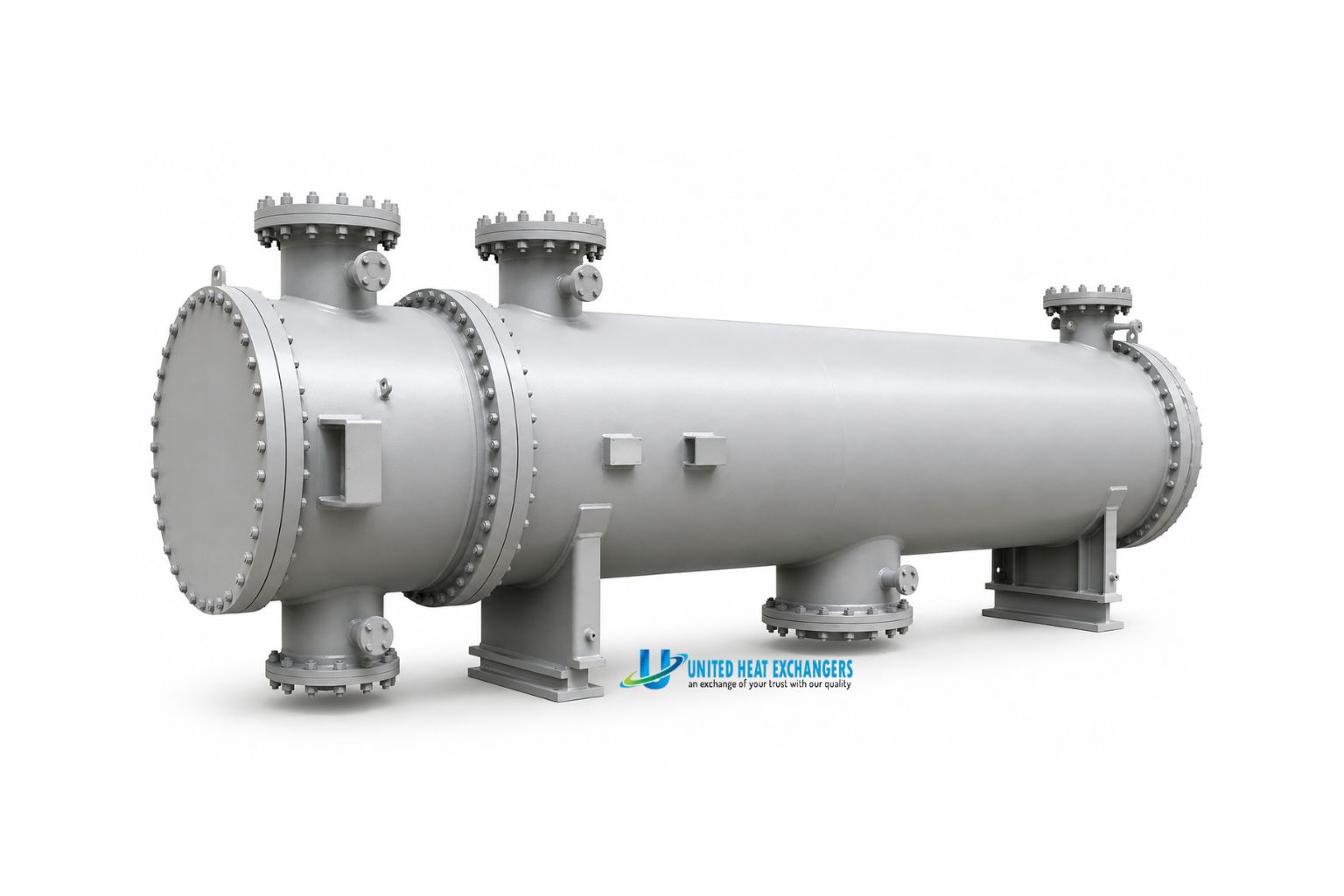
The hydrocarbon industry's most extensively used thermal workhorse. Heat passes between two fluids through the walls of a tube bundle, which lets a single design serve preheat trains, reboilers and pressurised liquid coolers.
- Used for: crude heating, fractionator reboilers, liquid-to-liquid cooling
U Tube Heat Exchanger / U Tube Bundle
Shell and tube designs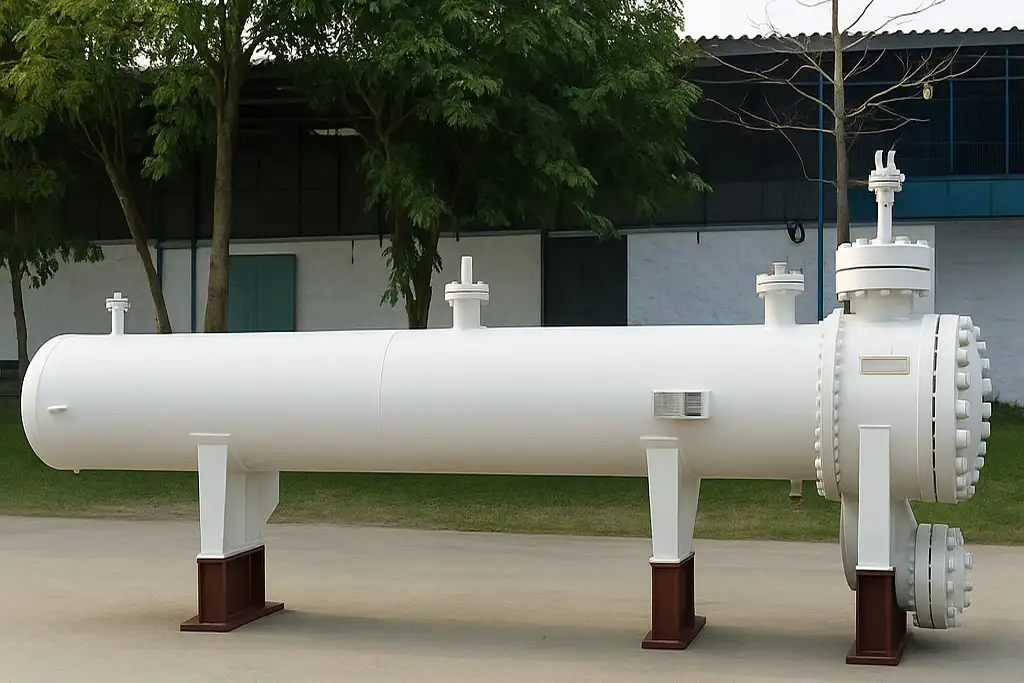
The bundle expands and contracts easily in response to temperature changes since each tube is bent into a U and fastened at a single tubesheet. This makes it a sound option for hot-oil heating and steam duties.
- Used for: high-pressure oil heaters, steam applications
Floating Head Heat Exchanger
Shell and tube designs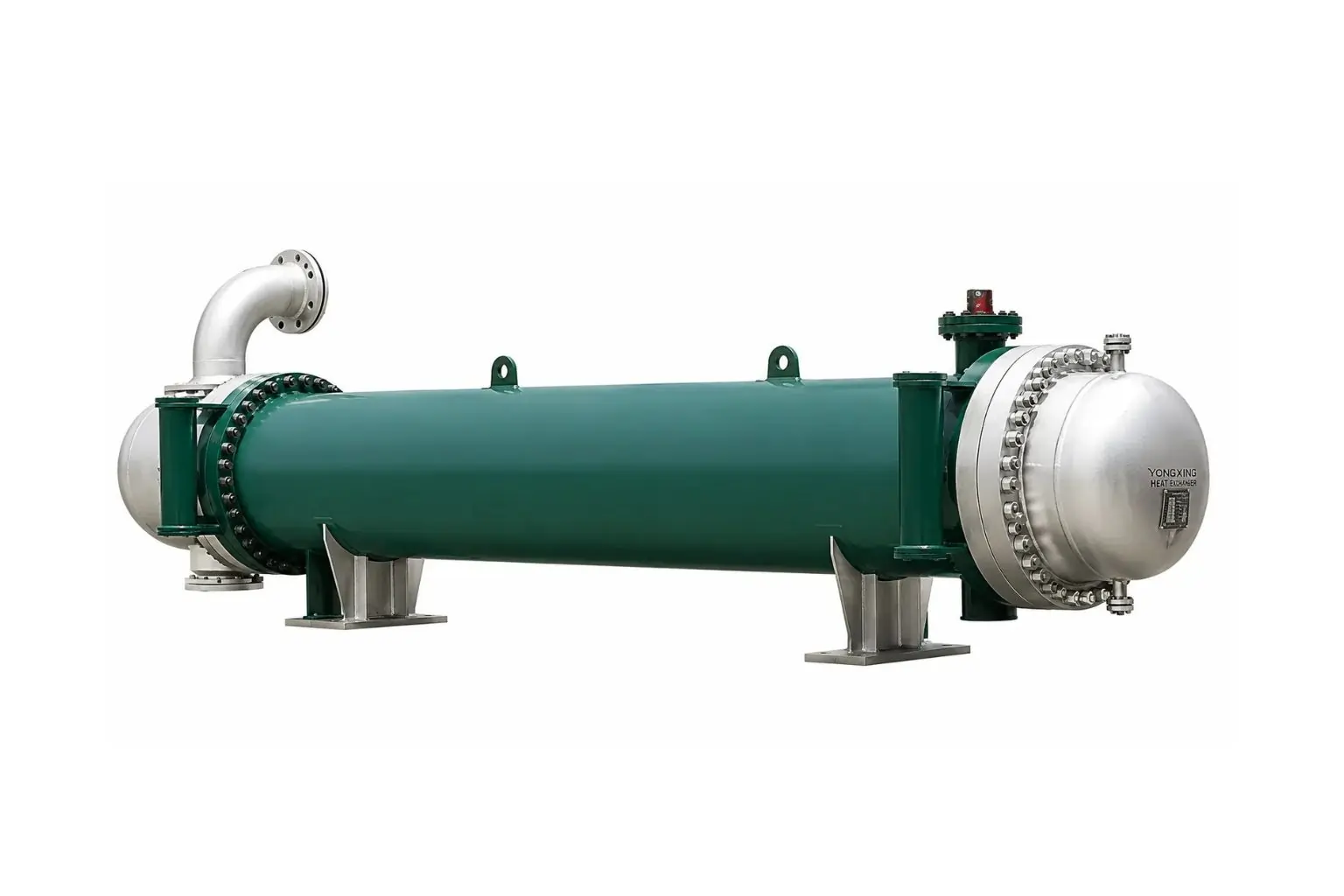
A free-moving tubesheet sits inside the shell, and the full bundle can be pulled out for cleaning. It is a sensible selection for heavy crude and other streams that foul quickly and need regular mechanical cleaning.
- Used for: heavy crude and dirty hydrocarbon streams
Fixed Tube Sheet Heat Exchanger
Shell and tube designs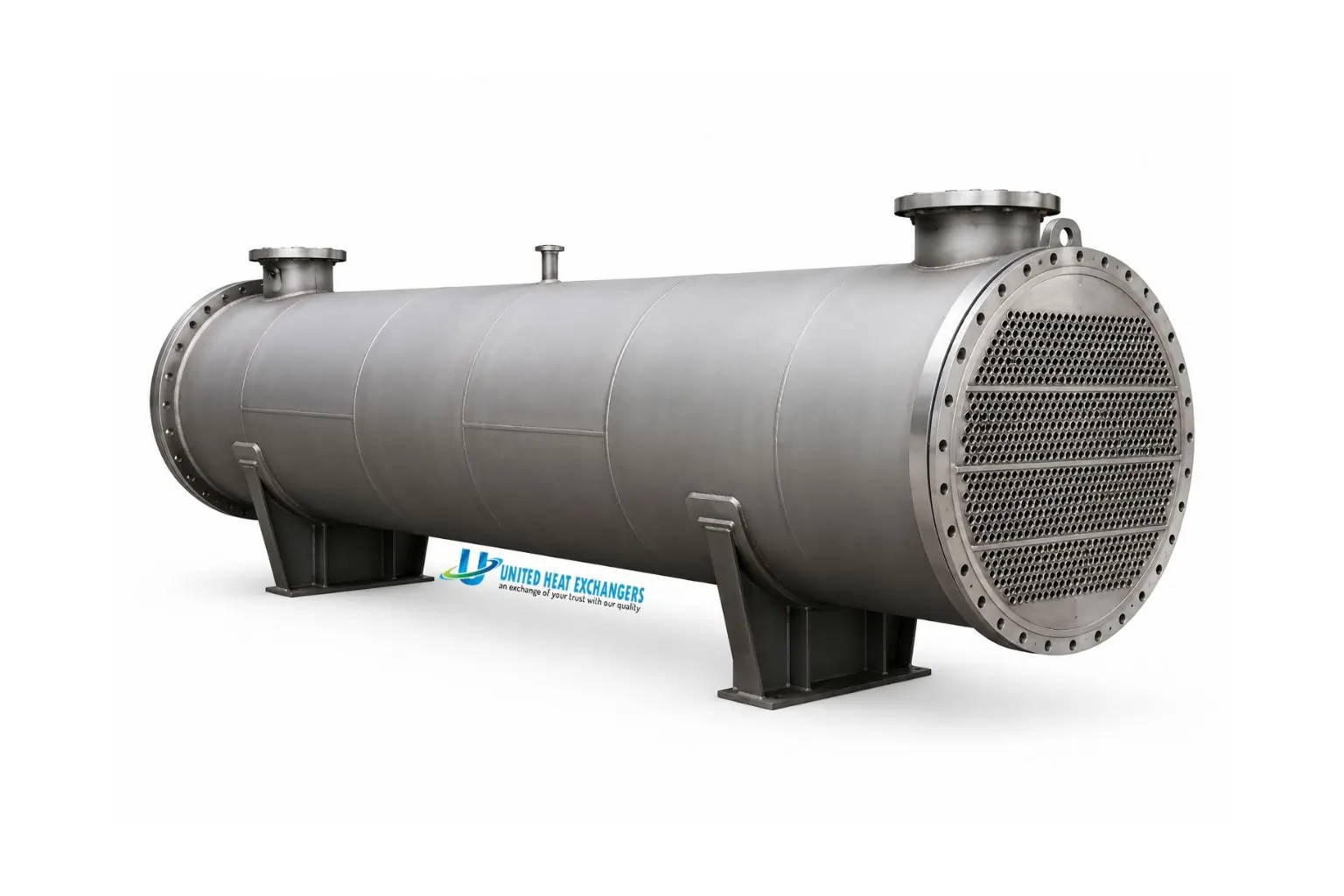
With both tubesheets welded directly into the shell, this is a rigid and economical construction. It performs best on clean fluids where the temperature gap between shell and tube sides stays modest.
- Used for: clean gas-to-gas and oil-to-oil exchange
Removable Tube Sheet Heat Exchanger
Shell and tube designs
Crews can examine, pressure test, and remove deposits without disassembling anything since the entire bundle slips out of the shell. That shortens shutdown time on services where scale accumulates.
- Used for: bundle extraction, inspection, hydrotesting, fouling removal
Vertical Shell and Tube Heat Exchanger
Shell and tube designs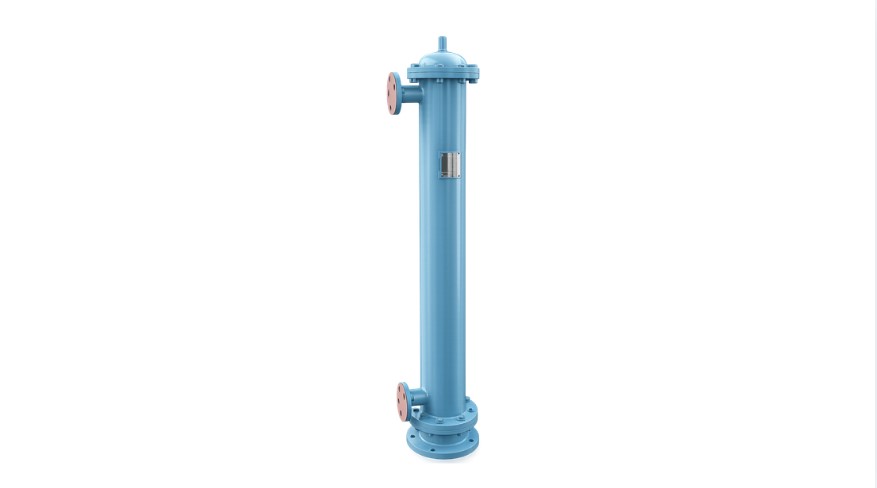
Standing the unit upright frees up floor space and supports natural fluid circulation. It is a frequent choice for offshore modules, vacuum condensing and thermosiphon reboilers.
- Used for: offshore platforms, high-vacuum condensing and reboiling
Double Pipe / Hairpin Heat Exchanger
shell and tube (concentric-tube) designs
One pipe runs inside another with the fluids moving in opposite directions, giving true counter-current exchange. It tolerates high pressure at small flow rates, and more hairpin sections can be added to raise capacity.
- Used for: high-pressure low-flow duty, heavy crude heating, counter-current heat recovery
Tubular / Multitube Heat Exchanger
Shell and tube designs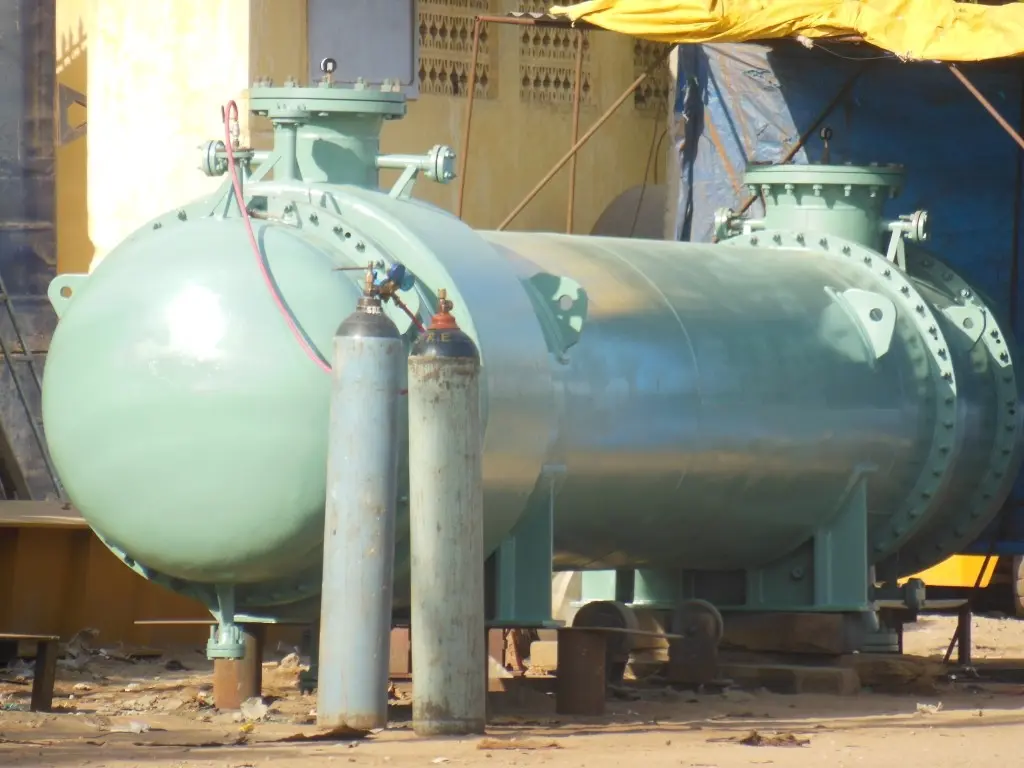
A set of tubes arranged in a compact frame, commonly found on chemical injection skids, glycol regeneration packages and medium-duty process heating inside gas plants.
- Used for: chemical dosing, glycol regeneration, process heating in oil and gas plants
Pressure vessels and process units
Containment, separation and conditioning equipment built in line with ASME Section VIII.
Pressure Vessels (ASME Section VIII)
Pressure vessels and process units
Code-compliant shells that retain fluids above atmospheric pressure. They sit at the centre of separation, chemical dosing and stabilisation steps across production facilities.
- Used for: phase separation, chemical treatment, stabilisation
Test Separator Vessel
Pressure vessels and process units
Takes the flow from one well and divides it into oil, gas and water, so each phase can be measured individually and the well's output evaluated.
- Used for: upstream well testing, separating and metering oil, gas and water at the wellhead
Scrubbing Tower
Pressure vessels and process units
Removes carried-over liquid droplets, dust and heavy fractions from raw gas, which shields compressors, dehydration packages and sweetening units further along the line.
- Used for: raw gas cleanup before compression or sweetening
Air Receiver
Pressure vessels and process units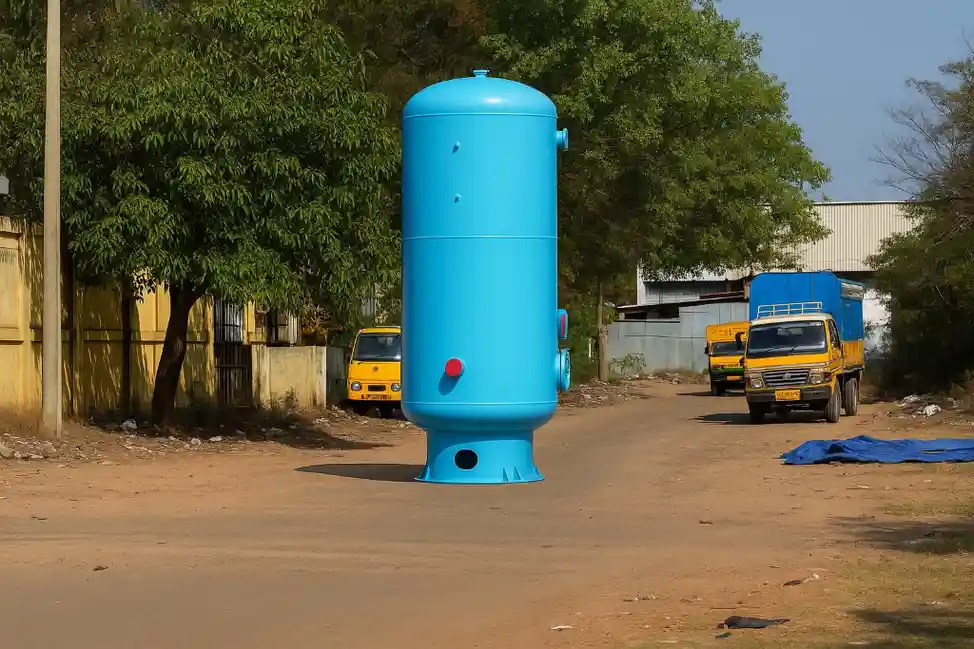
Holds a reserve of compressed instrument air so pneumatic valves and emergency shutdown systems keep responding quickly when demand surges or a compressor trips.
- Used for: instrument air for control valves and ESD systems on rigs and refineries
Air Dryers
Pressure vessels and process units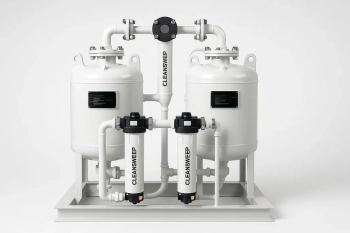
Take water vapour out of compressed air and gas, preventing freezing and corrosion in pipework and keeping instruments dependable. They also help maintain a consistent dew point in pipelines and plant air networks.
- Used for: dew point control in compressed air and gas lines
Filter Vessels
Pressure vessels and process units
Hold the cartridges that catch particles and entrained water in fuel, lubricating oil and amine circuits, protecting downstream pumps and exchangers from fouling.
- Used for: fuel lines, lube systems, amine gas sweetening loops
Flash Tank
Pressure vessels and process units
Allows a high-pressure liquid to expand into a lower-pressure space so vapour separates from it. Common in condensate recovery, blowdown and depressurising duties within gas processing.
- Used for: condensate recovery, blowdown, depressurisation in gas processing
O2 Reactor and Blow Tank
Pressure vessels and process units
Engineered vessels for oxidation reactions, tail-gas handling and blowdown, wherever tightly controlled reaction conditions or surge volume are required.
- Used for: tail-gas treatment, refinery oxidation processes
Air-cooled exchangers and machinery coolers
These units dump heat into the surrounding air, which suits locations short on water or floor space.
Air Cooled Heat Exchanger / Fin Fan Cooler
Air-cooled exchangers and machinery coolers
Fans push outside air over finned tubes to carry heat away without any cooling water. This makes it a natural fit for desert sites and offshore platforms handling gas cooling, overhead condensing and effluent cooling.
- Used for: gas compression cooling, overhead vapour condensation, treated effluent cooling
Air Cooler Header Box
Air-cooled exchangers and machinery coolers
cover-plate or plug-type manifolds that disperse process fluid throughout the bundle of tubes. They are fabricated to API 661 requirements for high-pressure refinery service.
- Used for: API 661 air-cooled exchangers in refineries
Compressor Cooler / Intercooler / After Cooler
Air-cooled exchangers and machinery coolers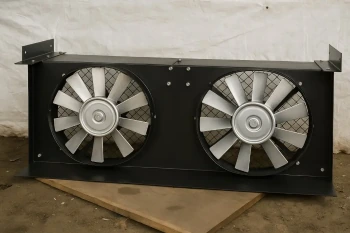
Removes the heat generated during compression, both between stages and after the final one, which improves compressor efficiency at pipeline booster stations and gas lift sites.
- Used for: pipeline booster stations, gas lift operations
Air Blast Oil Cooler / Hydraulic Oil Cooler
Air-cooled exchangers and machinery coolers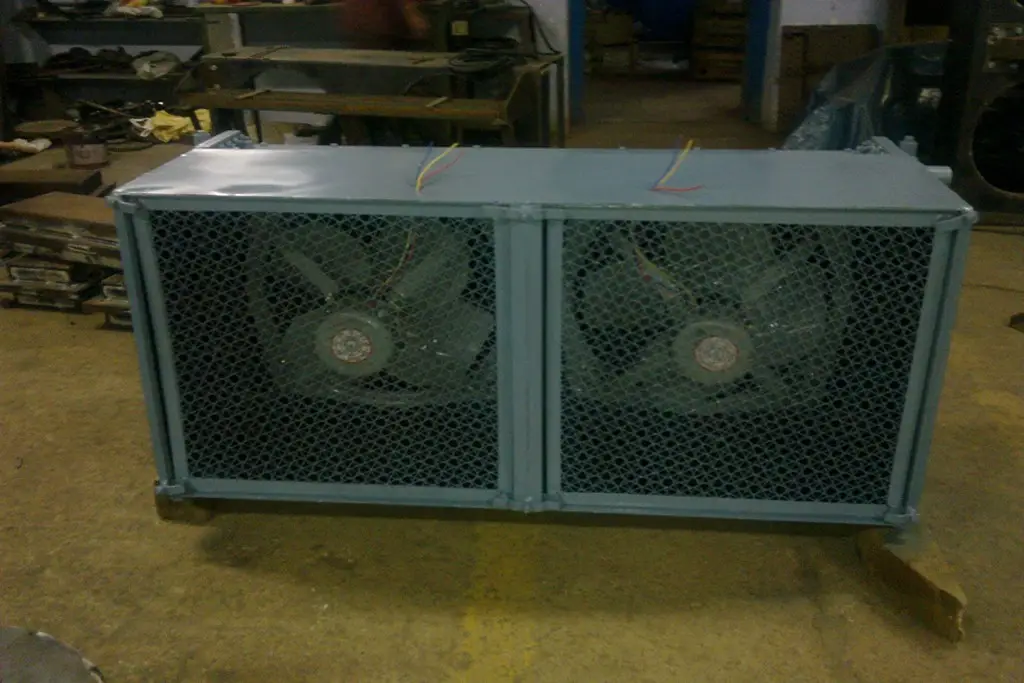
Small finned coolers that keep hydraulic and lubricating oil within safe limits on drilling rigs, fracturing pumps and offshore cranes.
- Used for: drilling rigs, frac pumps, offshore cranes
Refining and petrochemical heat transfer units
Dedicated equipment for boiling, condensing, heat recovery and handling thick or sticky process fluids.
Kettle Reboiler Heat Exchanger
Refining and petrochemical heat transfer units
Its oversized shell gives generated vapour space to separate from the liquid pool surrounding a submerged bundle. The vapour it produces feeds fractionator bottoms, stripping columns and LPG towers.
- Used for: fractionator bottoms heating, LPG distillation, refinery stripping columns
Surface Condenser / Steam Condenser / Dump Condenser
Refining and petrochemical heat transfer units
Turns exhaust steam from turbines back into water under vacuum so it can return to the boiler circuit. Dump condensers take excess steam safely when a turbine trips.
- Used for: steam turbine exhaust in refinery power plants
Refluxer Condenser / LEF Condenser
Refining and petrochemical heat transfer units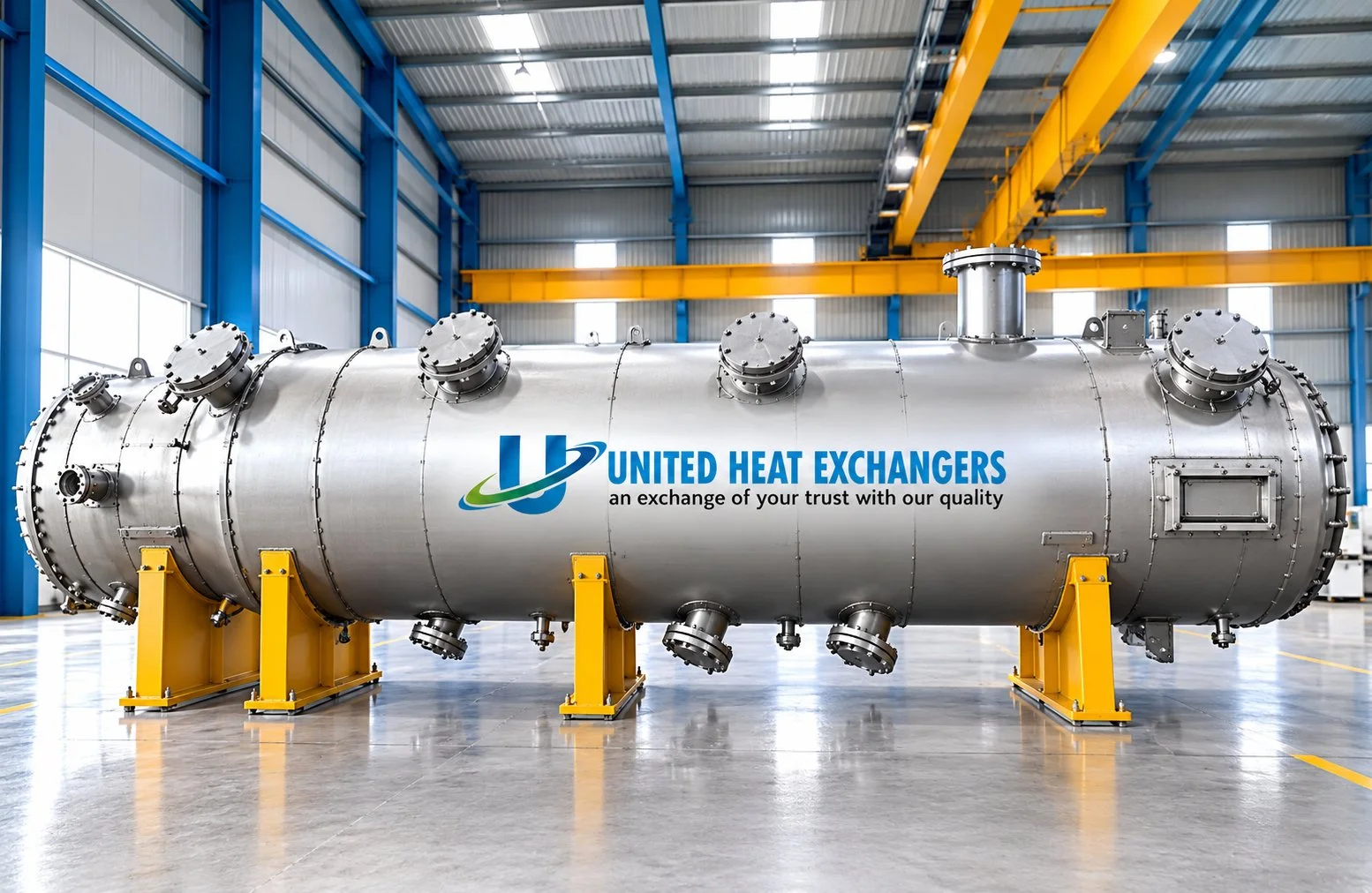
Installed on top of distillation columns to condense the rising vapour and send back a regulated reflux stream, which helps fine-tune how sharply components separate.
- Used for: reflux control in hydrocarbon fractionation
Feed Gas Chillers
Refining and petrochemical heat transfer units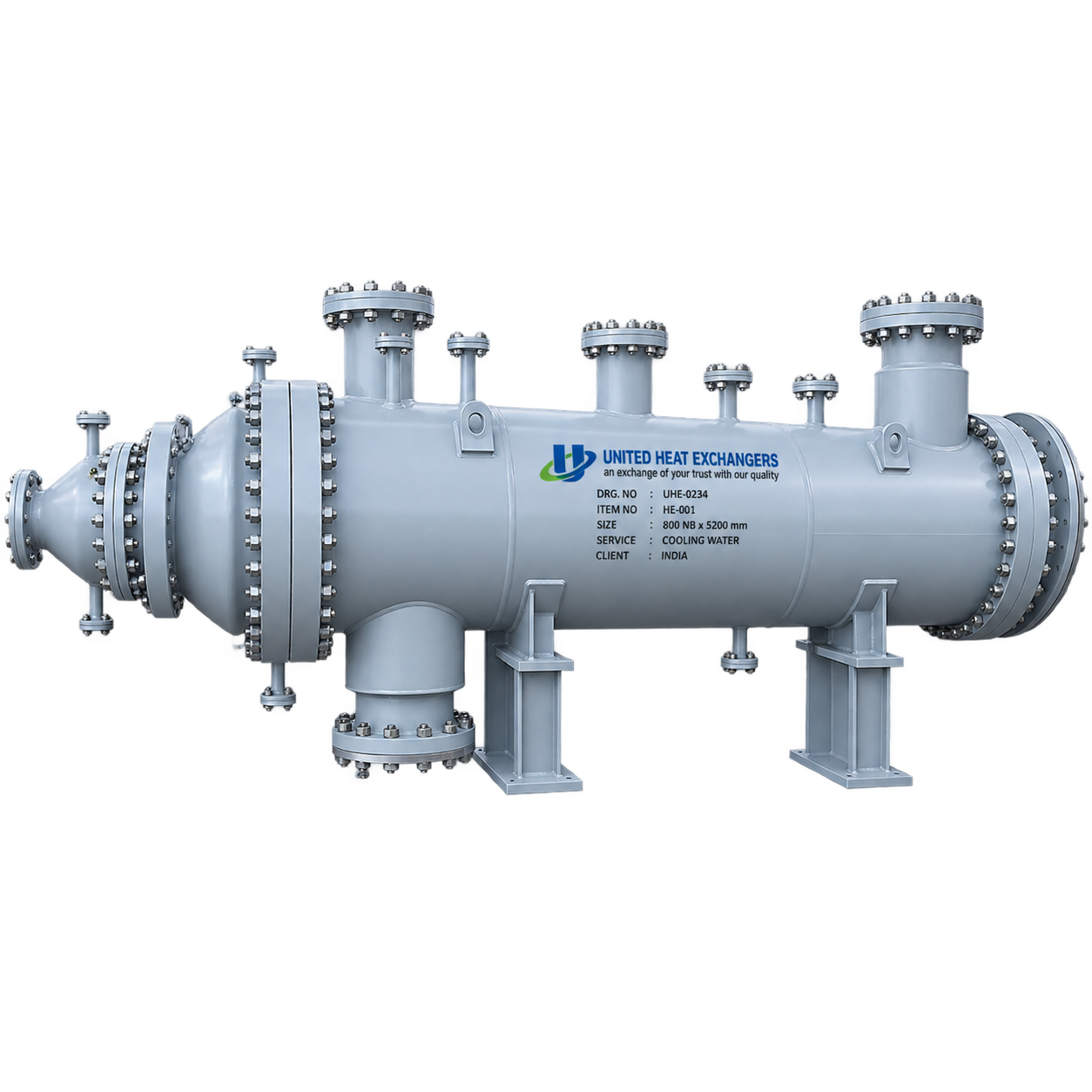
Bring incoming gas down to the temperature at which heavier hydrocarbons condense out, a key step in NGL recovery and LNG liquefaction trains.
- Used for: NGL recovery and LNG liquefaction plants
Heat Recovery Reboiler / Regenerative Heat Exchanger
Refining and petrochemical heat transfer units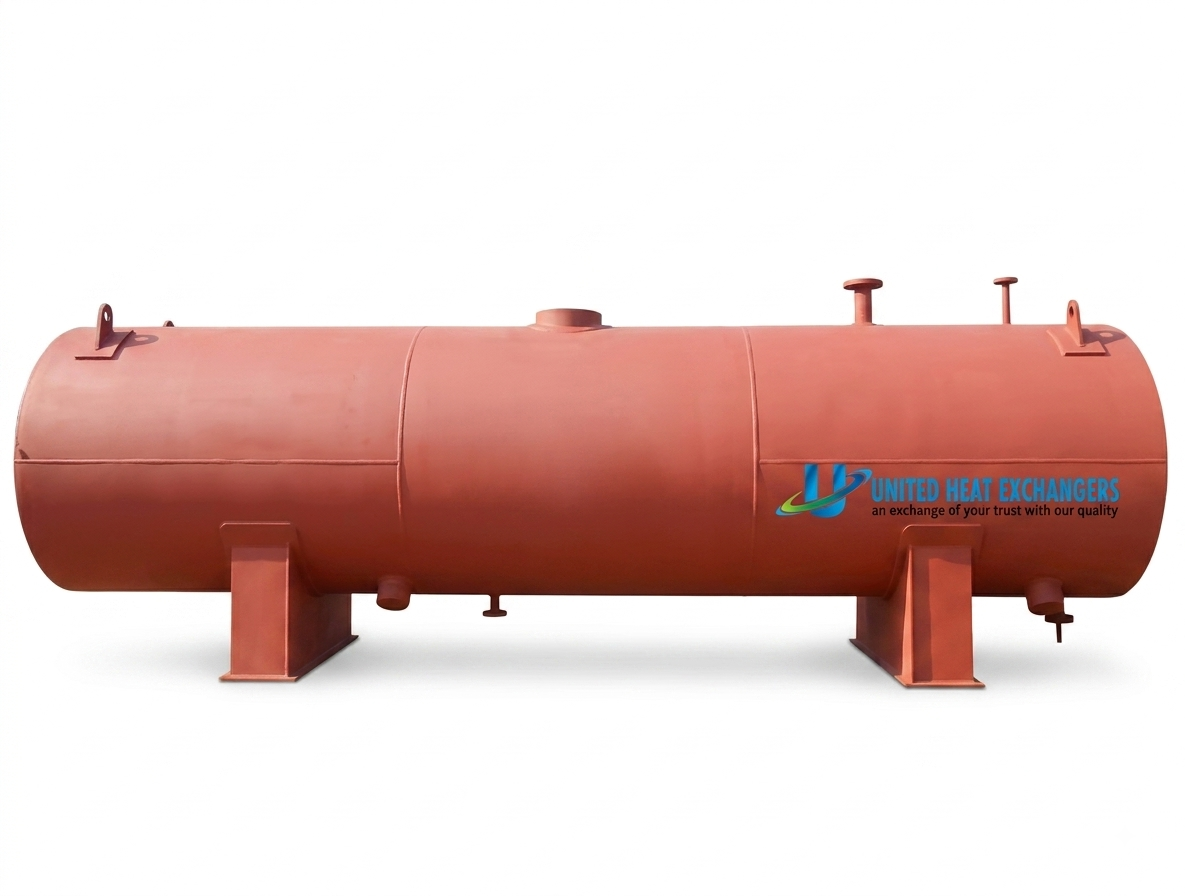
Reuses heat from hot process streams to drive column reboiling or warm incoming feed, lowering fuel consumption and running costs.
- Used for: waste heat recovery for refinery energy efficiency
Flue Gas Air Preheater / Air Preheater
Refining and petrochemical heat transfer units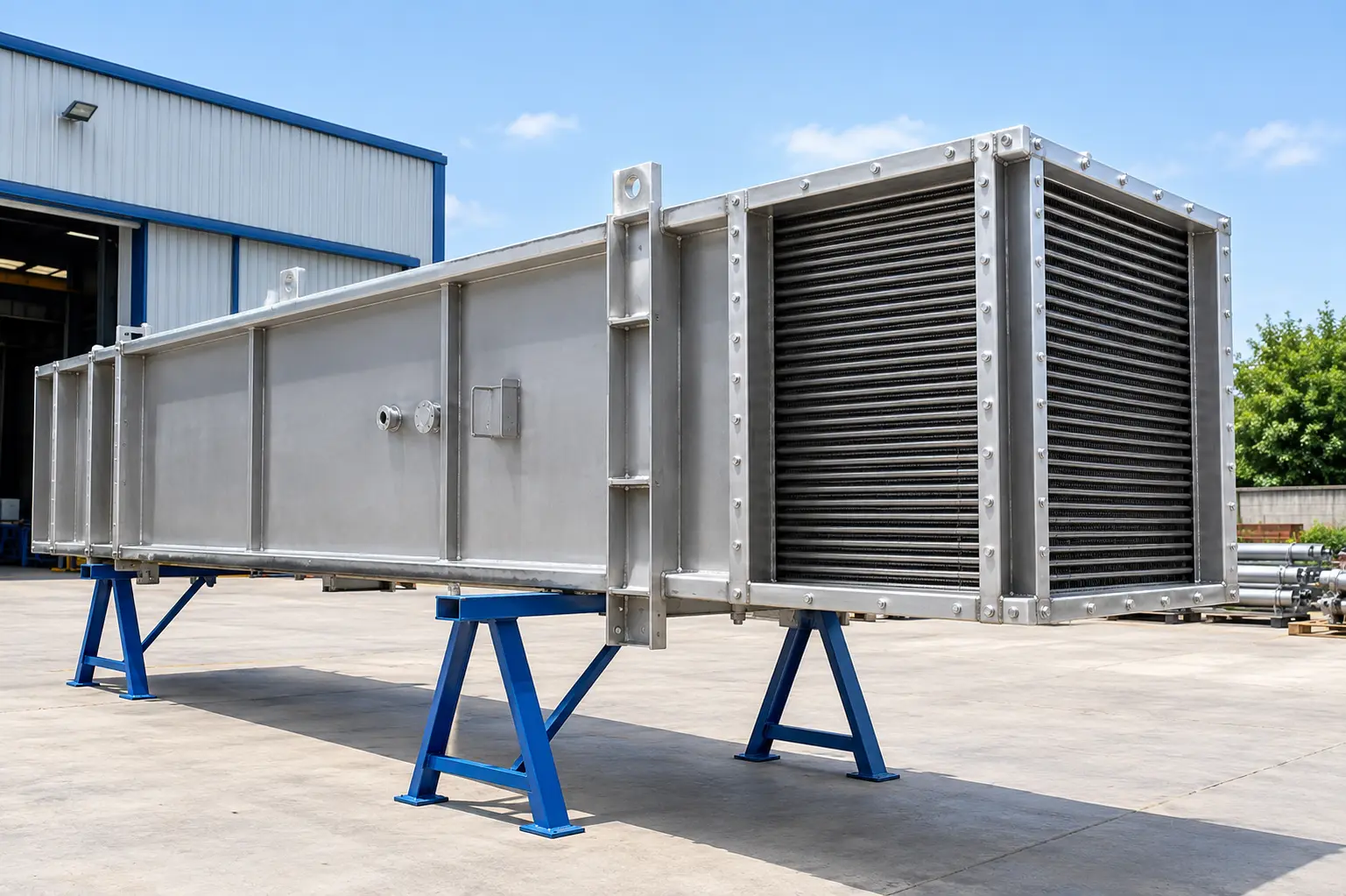
Transfers warmth from outgoing hot flue gas to the combustion air entering a furnace, boosting the efficiency of fired heaters and boilers.
- Used for: refinery fired heaters and boilers using hot stack gas
Dynamic Scraped Surface Heat Exchanger
Refining and petrochemical heat transfer units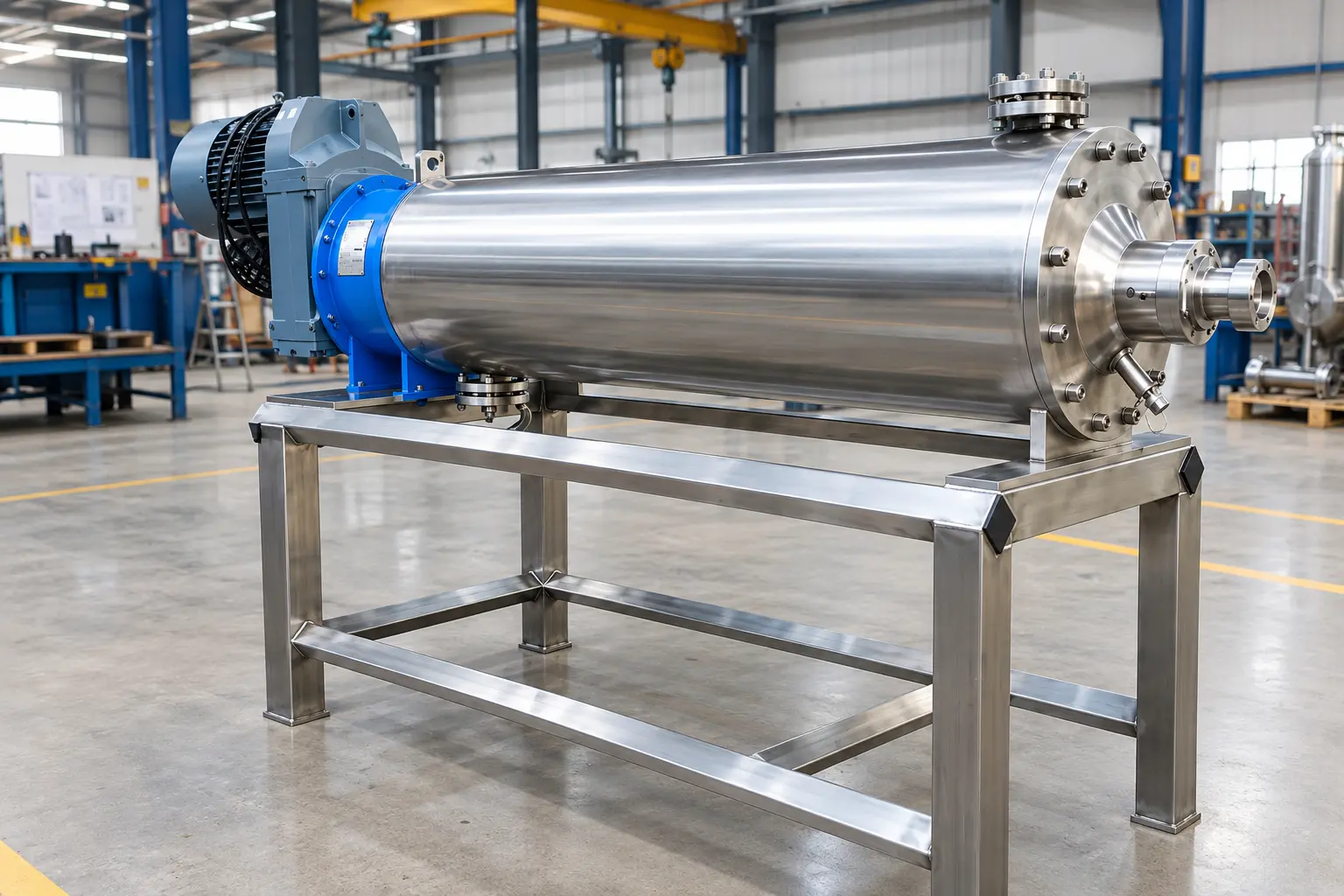
Rotating scraper blades continually wipe the heat transfer wall clean. This allows it to process waxy crude, thick slurries and dewaxing duties that would quickly coat a conventional surface.
- Used for: high-wax crude, lube oil dewaxing, heavy slurries
Compact, plate and high-performance exchangers
Space-saving technology for platforms, floating units and skid-mounted packages.
Plate and Shell Heat Exchanger
Compact, plate and high-performance exchangers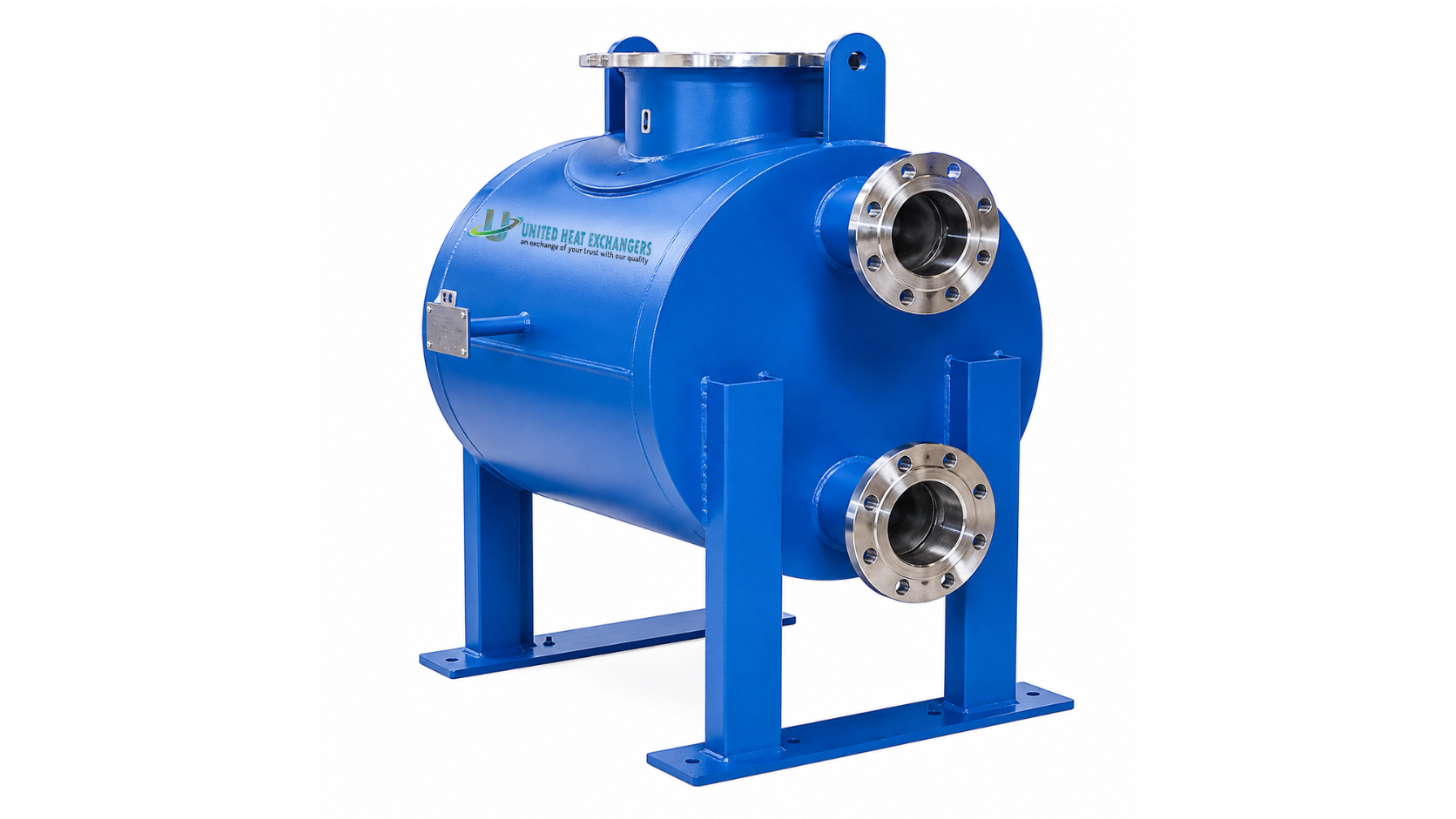
A welded stack of plates enclosed in a pressure-rated shell. It combines the small size of a plate design with the pressure capability of shell and tube, helping reduce weight on offshore installations.
- Used for: offshore platforms with tight space and weight limits
Printed Circuit Heat Exchanger (PCHE)
Compact, plate and high-performance exchangers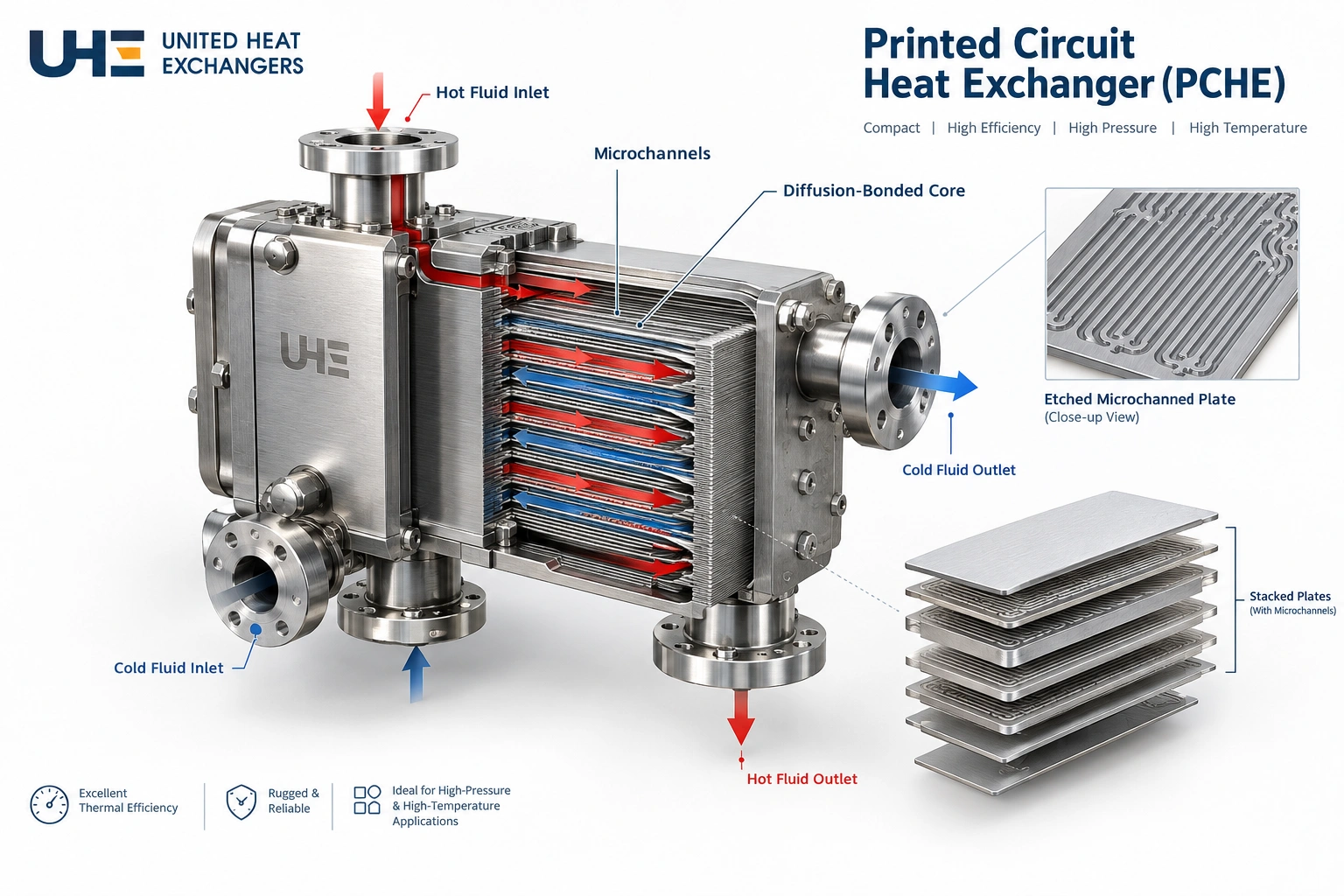
Chemically etched plates are diffusion-bonded into a solid block with very fine channels, delivering a large heat transfer area in a tiny volume. It serves offshore LNG, FPSO units and gas cooling beyond 200 bar.
- Used for: offshore LNG, FPSO units, gas cooling above 200 bar
Spiral Heat Exchanger
Compact, plate and high-performance exchangers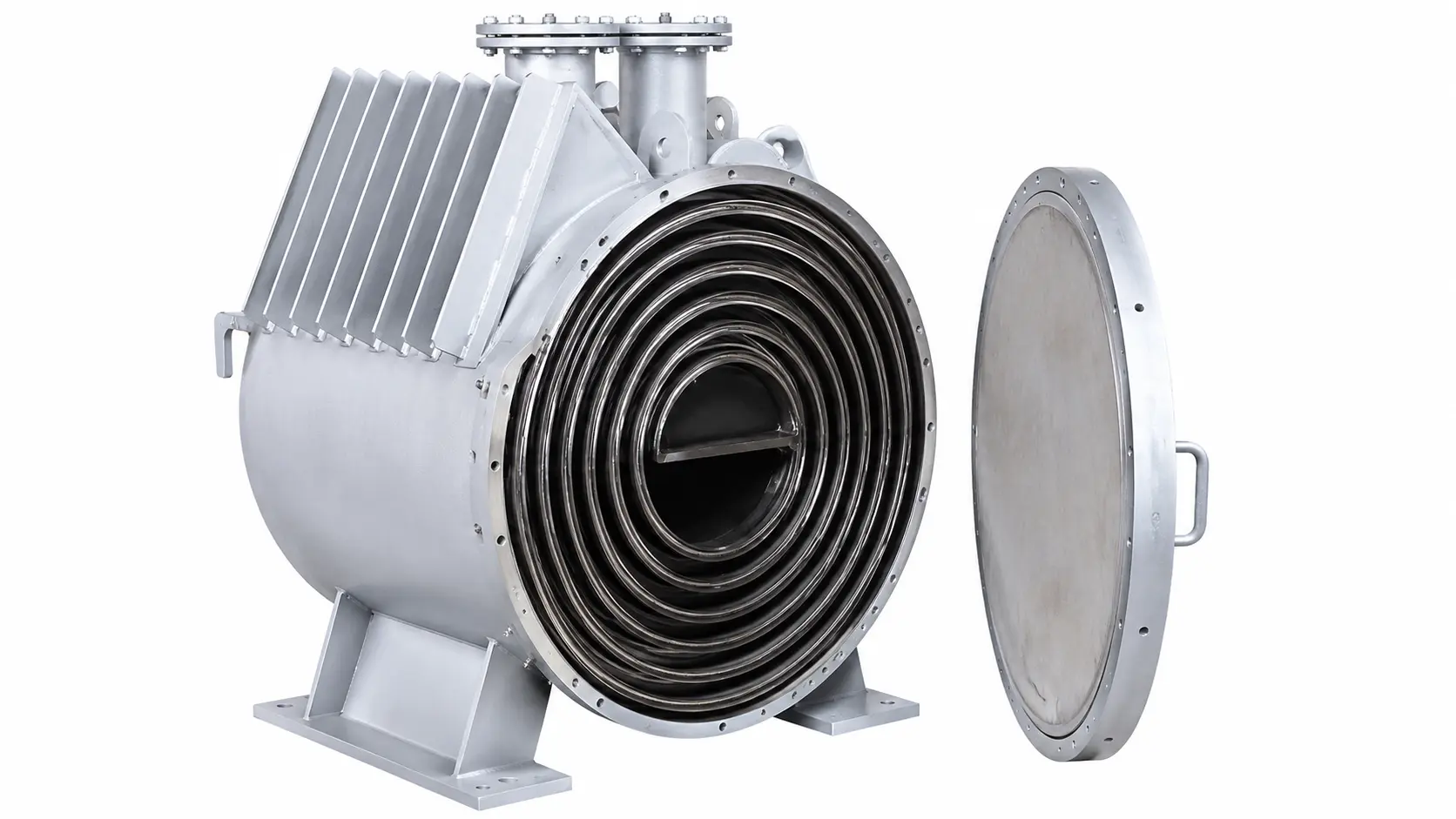
Two channels wound in a spiral around a centre core create one continuous passage that resists blockage, which suits slurries, tank bottoms and heavy oils.
- Used for: fouling slurries, crude bottom residue, heavy oil
Compact / Brazed Plate Heat Exchanger
Compact, plate and high-performance exchangers
A brazed plate pack in a small, light body, handy for utility skids, closed circuits and refrigerant gas drying where both space and weight are restricted.
- Used for: utility closed loops, platform skid modules, refrigeration gas drying
Alloys for sour and corrosive duty
Once H2S, chlorides and seawater enter the picture, the choice of metal largely determines how many years an exchanger will last.
Duplex Stainless Steel (2205 / 2507 Super Duplex)
Alloys for sour and corrosive duty
A dual-phase stainless grade combining high mechanical strength with excellent protection against chloride stress cracking. It is applied in seawater cooling and in oil streams containing chlorides.
- Used for: offshore seawater cooling, chloride-rich oil streams
Titanium Heat Exchanger
Alloys for sour and corrosive duty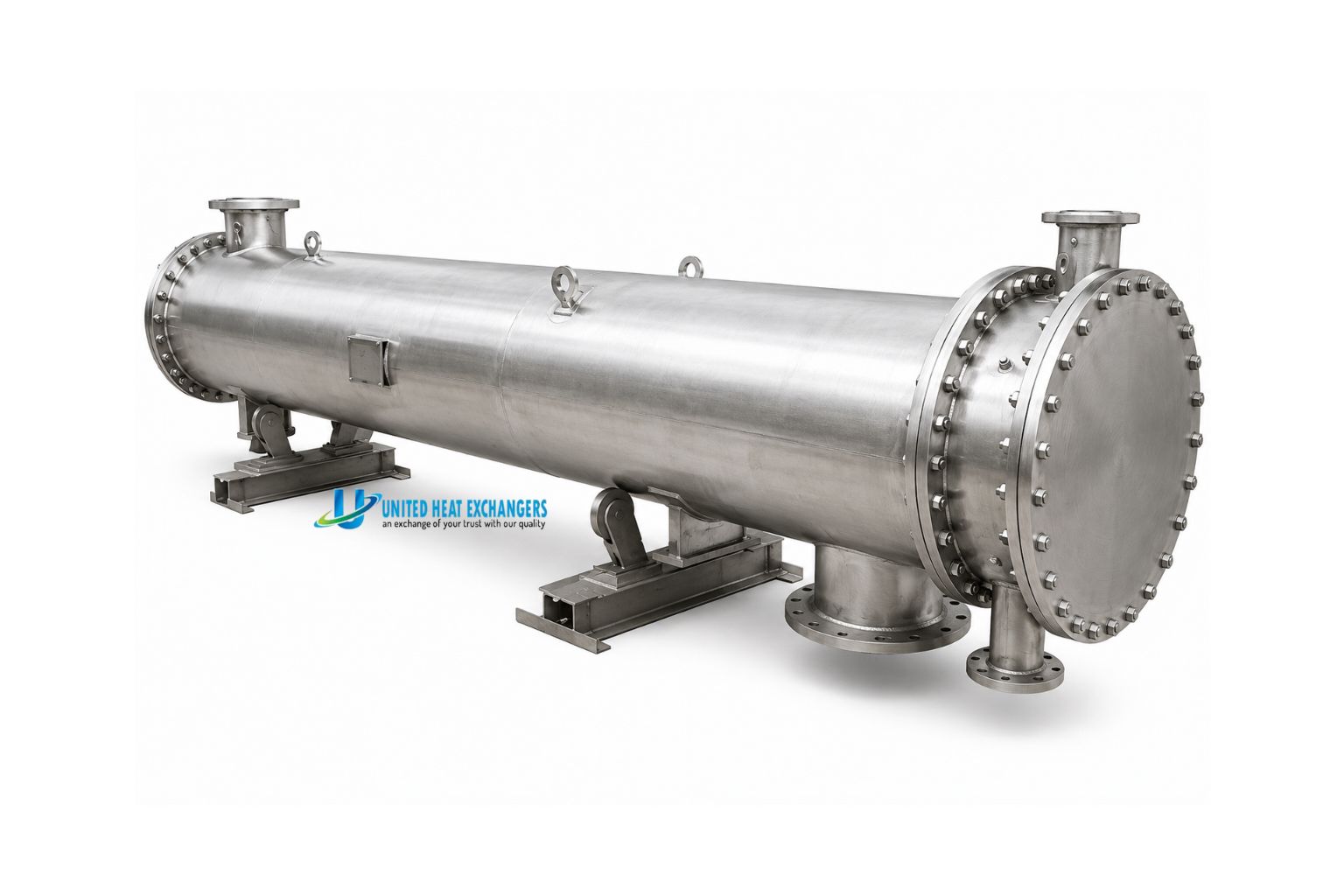
It is the standard solution for FPSO and platform cooling as well as coastal refinery operations since it is essentially unaffected by untreated saltwater and brackish water.
- Used for: raw seawater cooling on FPSOs, platforms and sea-water refineries
Hastelloy Heat Exchanger
Alloys for sour and corrosive duty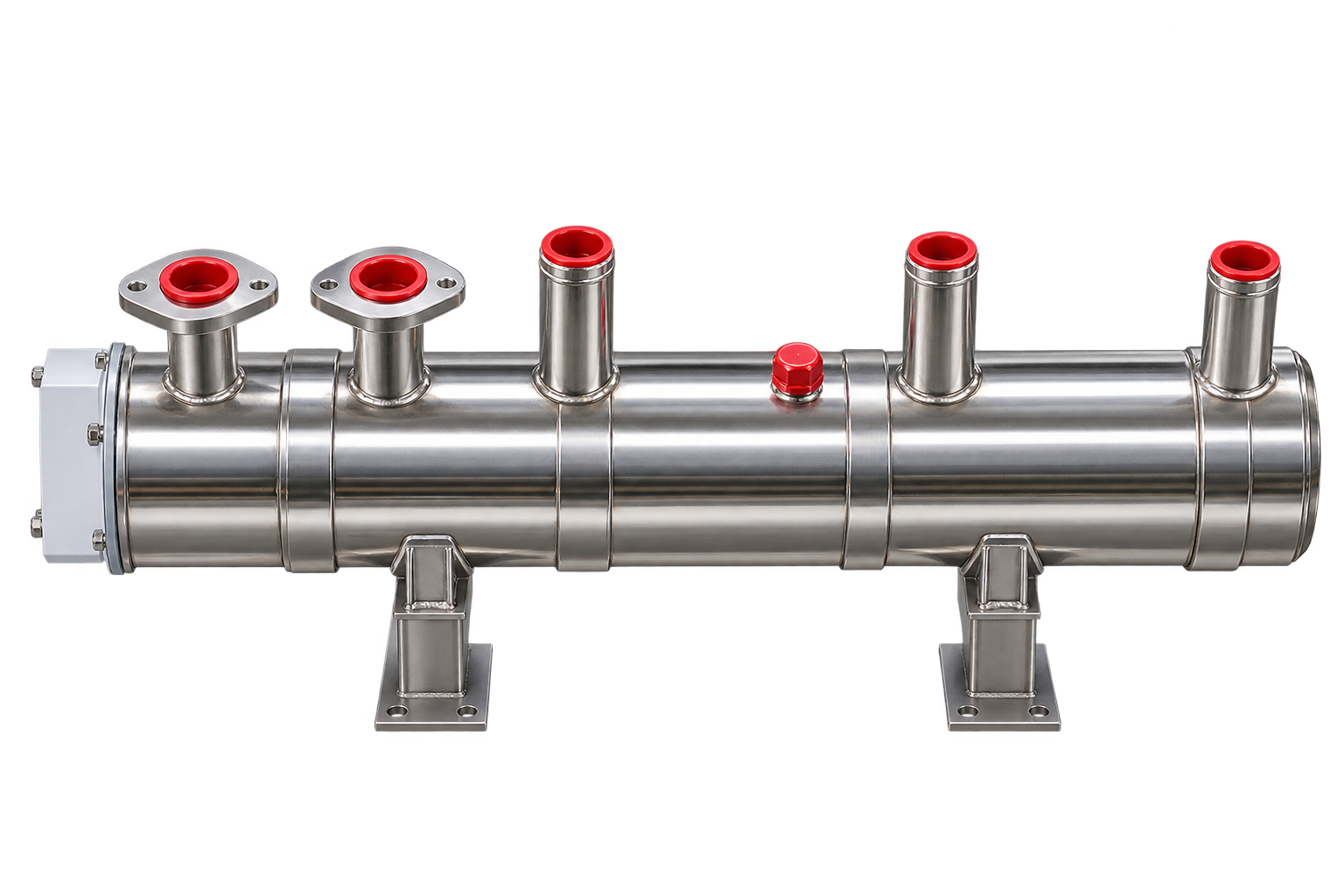
A nickel-based alloy made for the most aggressive acids and chemicals, including strong acid gas sweetening and severe refinery process streams.
- Used for: acid gas sweetening, severe refinery chemical processing
Stainless Steel Heat Exchanger (316L / 317L)
Alloys for sour and corrosive duty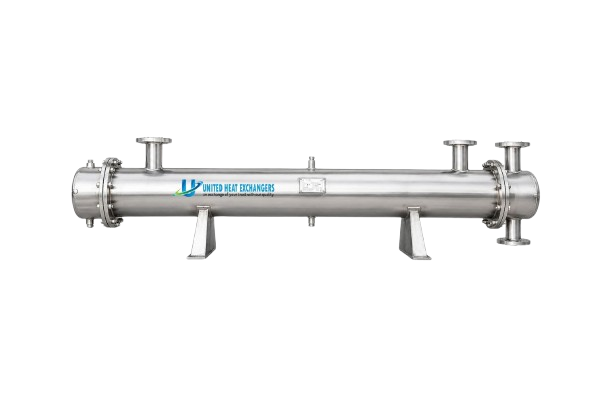
Stands up to sour gas, amine solutions and everyday process corrosion, making it a reliable general-purpose material for both onshore and offshore plant.
- Used for: sour gas handling, amine treatment units, onshore and offshore process units
Carbon Steel Heat Exchanger
Alloys for sour and corrosive duty
An economical pick for sweet gas, crude transfer and utility water, where the corrosion risk is low.
- Used for: non-corrosive hydrocarbons, sweet gas, crude transport, utility water cooling
Equipment Mapped to Each Oil and Gas Segment
| Segment | Typical UHE equipment | Process need it serves |
|---|---|---|
| Upstream, onshore and offshore | Test separator vessels, fin fan coolers, PCHE, titanium exchangers, air receivers, hydraulic oil coolers | Well evaluation, space-efficient platform cooling, drilling hydraulics, gas lift support |
| Midstream, pipelines and NGL | Intercoolers and aftercoolers, feed gas chillers, scrubbing towers, air dryers | Gas compression, NGL recovery, hydrocarbon dew point management |
| Downstream, refining and petrochemicals | Floating head and U tube exchangers, kettle reboilers, surface condensers, duplex and Hastelloy units | Crude distillation, fractionation, sour gas treatment, steam and power systems |
Selection Tip: Begin with what is in the stream (sour gas, chlorides, seawater), pick the alloy next, and settle the exchanger geometry last. A mismatched material cuts service life far more than an imperfect tube layout ever will.
Get a Free Heat Exchanger Quote
Share your fluids, flow rates, pressures, temperatures and design code with us. Our team will propose the right configuration and material for your oil and gas application.
Request My Free Quote →Frequently Asked Questions
Which heat exchanger works for heavy crude and fouling hydrocarbon streams?
Since the bundle is removed for mechanical cleaning, choose a floating head or detachable tube sheet shell and tube unit. When the fluid is waxy or extremely viscous, a dynamic scraped surface or spiral exchanger is less prone to fouling.
How can gas be cooled where water is limited?
Use an air cooled heat exchanger, also called a fin fan cooler. It releases heat to the surrounding air, so it works in deserts and on offshore platforms for compressor cooling and overhead condensing.
Which material is best for seawater cooling?
Titanium is the standard for untreated seawater. Duplex and super duplex stainless steels are preferred when chloride-bearing oil streams call for high mechanical strength.
What reduces footprint on offshore platforms?
Plate and shell, printed circuit (PCHE) and compact brazed plate exchangers deliver substantial duty in a small, lightweight package, while vertical shell and tube units cut the deck area needed.
Author: Senthil Kumar, Technical Director — United Heat Exchangers Pvt. Ltd. | Last Updated: October 2026