A
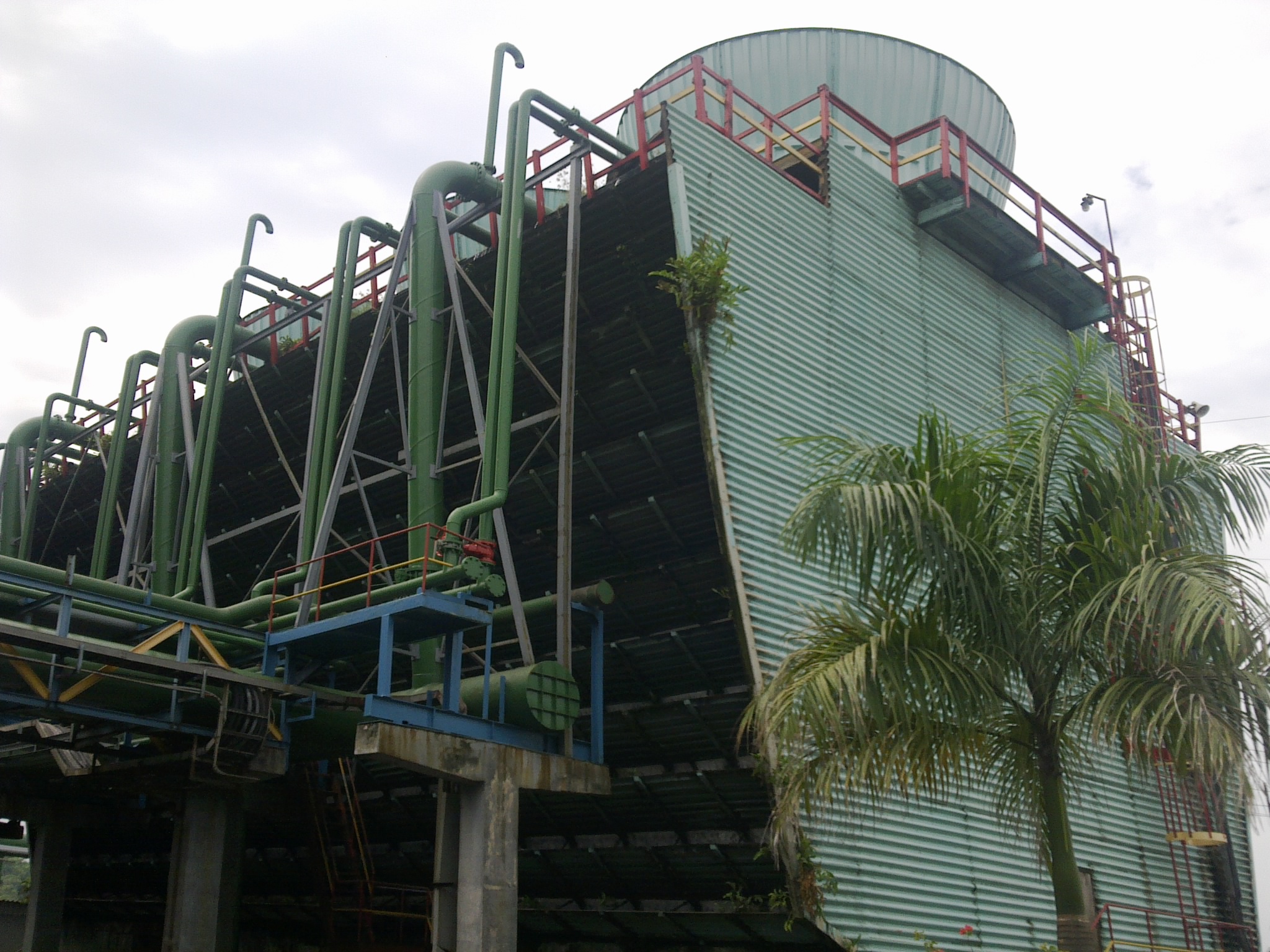
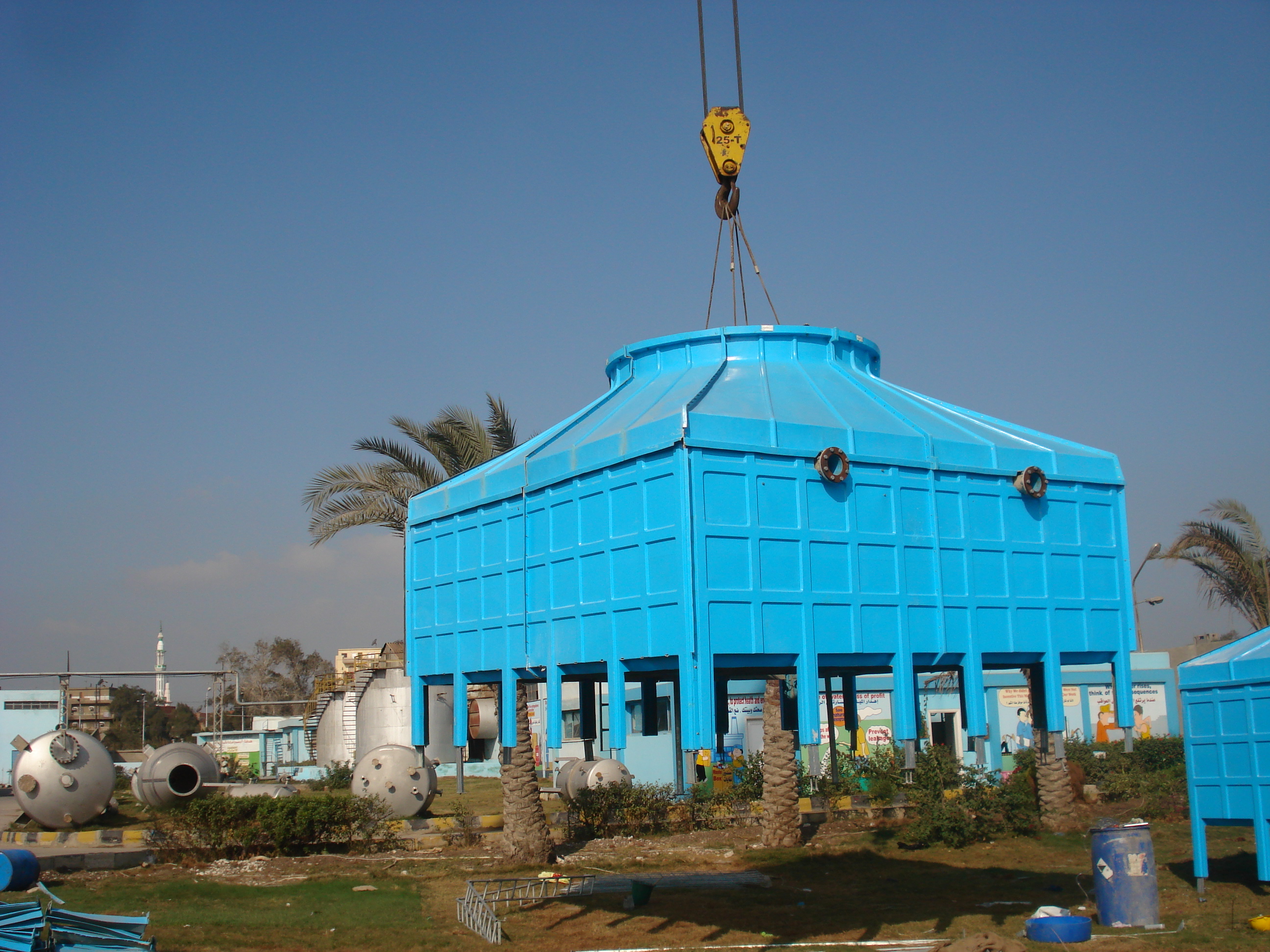
Counter Flow Cooling Tower is a high-efficiency heat rejection system designed to cool water and dissipate heat generated from industrial processes and HVAC systems. With its innovative design, the counter flow cooling tower enhances cooling efficiency while minimizing energy consumption, making it an ideal choice for various industries such as power plants, chemical processing, and manufacturing.
Features and Benefits
1. Advanced Counter Flow Design
Unlike crossflow cooling towers, the counter flow configuration allows air and water to move in opposite directions. This design improves heat transfer efficiency and enhances cooling performance.
2. High-Durability FRP Construction
The cooling tower is built with Fiber Reinforced Plastic (FRP), which offers excellent resistance against corrosion, rust, and harsh environmental conditions. This extends the unit's lifespan and reduces maintenance costs.
3. Optimized Heat Exchange Efficiency
Counter flow cooling towers are designed with advanced fill media, which maximizes surface area for improved heat exchange and efficient water cooling.
4. Energy-Efficient Performance
Equipped with aerodynamically designed axial flow fans and low-power consumption motors, the cooling tower reduces operational costs while ensuring maximum performance.
5. Reduced Water Consumption
The tower includes a high-efficiency drift eliminator, which minimizes water loss due to evaporation, thus reducing water consumption and operational expenses.
6. Compact Footprint and Space Optimization
Due to its vertical airflow design, the counter flow cooling tower requires less horizontal space, making it suitable for areas with limited installation space.
7. Low Noise Operation
The cooling tower operates at low noise levels, making it an excellent choice for noise-sensitive environments such as hospitals, office buildings, and residential complexes.
8. Easy Maintenance and Long Lifespan
The cooling tower is designed with removable access panels for easy servicing and maintenance of components such as the fan, motor, and fill media.
9. Customizable Capacity Options
Counter flow cooling towers are available in various cooling capacities, ensuring that businesses can find the perfect fit for their operational needs.
Components of Counter Flow Cooling Tower
A counter flow cooling tower is designed to maximize cooling efficiency by allowing air to flow vertically upward while water flows downward. This opposite movement enhances heat transfer. Below are the key components of a counter flow cooling tower:
1. Cooling Tower Casing
- The outer enclosure that houses all internal components, typically made of FRP (Fiberglass Reinforced Plastic), steel, or RCC (Reinforced Cement Concrete) for durability.
2. Fill Media (Heat Exchange Surface)
- Increases the contact area between air and water, allowing effective heat transfer.
- Usually made of PVC, PP, or wooden slats with high thermal efficiency.
3. Water Distribution System
- Consists of pipes, nozzles, and spray headers that evenly distribute hot water over the fill media to ensure uniform cooling.
4. Air Inlet Louvers
- Located at the lower sides of the tower, allowing air to enter while preventing debris and sunlight from affecting the cooling process.
5. Drift Eliminators
- Prevents water droplets from escaping with the exhaust air, reducing water loss and improving efficiency.
- Made of PVC or PP with multi-blade designs to trap moisture.
6. Fan Assembly
- Axial or centrifugal fans mounted on top to draw air through the fill media, ensuring effective cooling.
- Fans are dynamically balanced for high efficiency.
7. Motor & Gearbox
- Powers the fan to create the necessary airflow.
- Available with variable speed drives (VSD) for energy-efficient operation.
8. Cold Water Basin
- Located at the bottom of the tower to collect the cooled water before recirculation.
- Equipped with screens and filters to prevent debris entry into the system.
9. Hot Water Inlet
- The entry point where hot water enters the cooling tower from industrial processes or HVAC systems.
10. Makeup Water System
- Maintains water levels by compensating for losses due to evaporation, drift, and blowdown.
11. Blowdown System
- Removes a portion of highly concentrated water to prevent scaling and fouling inside the tower.
12. Structural Framework & Supports
- Provides the necessary stability and durability to withstand environmental conditions and heavy loads.
Applications
1. HVAC Systems
Essential for commercial and residential HVAC cooling systems to regulate temperatures efficiently and prevent overheating.
2. Power Plants
Used for cooling turbine exhaust steam in thermal and nuclear power plants, ensuring optimal energy efficiency.
3. Chemical and Petrochemical Industries
Maintains stable process temperatures for chemical manufacturing, preventing overheating and ensuring process stability.
4. Manufacturing and Industrial Processes
Supports cooling in metalworking, plastic molding, food processing, and steel production, ensuring consistent operational performance.
5. Refrigeration and Cold Storage
Critical for maintaining temperature control in refrigeration plants and cold storage facilities, ensuring product preservation.
Types of Counter Flow Cooling Towers
Counter flow cooling towers are designed to maximize heat transfer by allowing air to flow upward while water flows downward. They come in different types based on design, construction material, and airflow mechanism. The main types of counter flow cooling towers include:
1. Induced Draft Counter Flow Cooling Tower
- Uses a fan located at the top of the tower to draw air through the fill media.
- Provides high cooling efficiency and reduced recirculation of warm air.
- Commonly used in HVAC, power plants, chemical, and manufacturing industries.
2. Forced Draft Counter Flow Cooling Tower
- Features a fan located at the base or side of the tower that forces air into the system.
- Offers better control over airflow but consumes more power than induced draft towers.
- Suitable for enclosed spaces or areas with strict airflow control requirements.
3. Cross-Braced FRP Counter Flow Cooling Tower
- Constructed with Fiberglass Reinforced Plastic (FRP) for enhanced corrosion resistance.
- Features a cross-braced structure for increased stability and durability.
- Commonly used in coastal areas, chemical industries, and humid environments.
4. RCC Counter Flow Cooling Tower
- Built with Reinforced Cement Concrete (RCC) for long-term durability and minimal maintenance.
- Ideal for large-scale industrial applications like thermal power plants and petrochemical industries.
- Provides high structural strength and resistance to environmental conditions.
5. Package Counter Flow Cooling Tower
- A compact, factory-assembled unit designed for small to medium industrial applications.
- Made from FRP, galvanized steel, or stainless steel.
- Preferred in HVAC systems, commercial buildings, and manufacturing units.
6. Field-Erected Counter Flow Cooling Tower
- Constructed on-site for large cooling requirements in power plants and heavy industries.
- Can be custom-designed to meet specific cooling capacities.
- Built using RCC, FRP, or wooden materials for long-term performance.
Technical Specifications
| Feature | Specification |
|---|
| Material | FRP, Stainless Steel, PVC |
| Cooling Capacity | 10 TR to 1500 TR |
| Water Flow Rate | 10 m3/hr to 2000 m3/hr |
| Fan Type | Axial Flow Fan |
| Noise Level | Below 85 dB |
| Temperature Reduction | 4°C to 15°C |
| Fill Media | High-Efficiency PVC Fill |
| Installation Type | Floor-Mounted, Elevated |
| Maintenance Requirement | Low |
Installation and Maintenance
Installation Guidelines
- Ensure a solid foundation to support the cooling tower and prevent structural instability.
- Maintain adequate airflow clearance around the cooling tower for optimal efficiency.
- Align the fan and motor assembly properly to prevent vibrations and mechanical failures.
- Connect piping as per manufacturer guidelines to ensure smooth water circulation.
- Perform an initial performance test post-installation to verify cooling efficiency.
Routine Maintenance
- Inspect and clean fill media to prevent scaling and biofilm formation.
- Lubricate fan bearings and motor components periodically to minimize wear.
- Check water quality to prevent corrosion and scaling inside the system.
- Monitor the fan belt tension to avoid energy loss due to slippage.
- Test electrical connections to ensure safety and prevent electrical failures.
Why Choose Our Counter Flow Cooling Tower?
United Heat Exchangers is a leading global manufacturer of counter flow cooling towers, delivering high-performance, energy-efficient, and durable cooling solutions for various industries. Here’s why our counter flow cooling towers stand out:
1. Superior Cooling Efficiency
- Designed for maximum heat dissipation with high-quality PVC/PP fill media for enhanced thermal performance.
- Optimized air-to-water contact ensures faster and more effective cooling.
2. Durable and Corrosion-Resistant Construction
- Built with FRP (Fiberglass Reinforced Plastic), galvanized steel, stainless steel, or RCC, ensuring long service life even in extreme environments.
- Resistant to corrosion, rust, and chemical exposure, making them ideal for industrial and HVAC applications.
3. Energy-Efficient Design
- Low power consumption with advanced axial fans and energy-efficient motors.
- Available with variable speed drive (VSD) options for optimized performance.
4. Low Maintenance & Long Service Life
- Robust construction and high-quality components reduce maintenance costs and downtime.
- Drift eliminators and air inlet louvers minimize water loss and ensure clean operation.
5. Customizable Solutions
- Available in multiple configurations, including induced draft, forced draft, FRP, and RCC counter flow cooling towers.
6. Global Supply & Timely Delivery
- United Heat Exchangers is a trusted worldwide supplier, ensuring on-time delivery with a strong manufacturing base and international distribution network.
7. Industry-Leading Expertise & Support
- Over three decades of experience in cooling tower manufacturing.
- 24/7 customer support and technical assistance for installation, maintenance, and troubleshooting.
Conclusion
A Counter Flow Cooling Tower is a reliable and efficient cooling solution for industries requiring effective heat dissipation. With its durable construction, energy-efficient operation, and low maintenance requirements, it is a superior choice for businesses looking to optimize their cooling processes. Investing in a high-quality counter flow cooling tower ensures enhanced performance, reduced energy costs, and long-term operational reliability. Choose our cooling towers for superior performance and efficiency
FAQ – Counter Flow Cooling Towers
1. What is a Counter Flow Cooling Tower?
A counter flow cooling tower is a heat rejection system where air moves upward while water flows downward, ensuring maximum heat transfer efficiency. This design enhances cooling performance and reduces water wastage.
2. What Are the Advantages of Counter Flow Cooling Towers?
- Higher Cooling Efficiency – Optimized air-water interaction enhances heat dissipation.
- Compact Design – Requires less space compared to cross flow cooling towers.
- Energy Efficient – Uses less power while maintaining high performance.
- Reduced Water Loss – Equipped with drift eliminators to minimize water carryover.
3. What Materials Are Used in Your Cooling Towers?
We manufacture counter flow cooling towers using high-quality materials such as:
- FRP (Fiberglass Reinforced Plastic) – Corrosion-resistant and lightweight.
- Galvanized Steel & Stainless Steel – Ideal for industrial and commercial applications.
- Reinforced Cement Concrete (RCC) – Highly durable for large-scale cooling systems.
4. What Industries Use Counter Flow Cooling Towers?
Our cooling towers are widely used in:
- Power Plants
- HVAC Systems
- Chemical & Petrochemical Industries
- Refineries & Manufacturing Units
- Food & Beverage Processing
5. How Do I Choose the Right Cooling Tower Size?
The right size depends on factors like heat load, flow rate, ambient temperature, and required cooling range. Our experts at United Heat Exchangers can help you determine the best model for your application.
6. How Often Do Counter Flow Cooling Towers Require Maintenance?
Regular maintenance is recommended every 3 to 6 months to check components such as fill media, fan assembly, drift eliminators, and water distribution systems. Our cooling towers are designed for low maintenance and long service life.
7. Do You Offer Custom-Built Cooling Towers?
Yes! We provide custom-designed counter flow cooling towers based on your industry requirements, cooling capacity, and environmental conditions.
8. How Long Does It Take to Manufacture and Deliver a Cooling Tower?
Lead times depend on tower size and customization requirements. We ensure fast manufacturing and timely global delivery through our extensive supply chain network.